Bukhara and Khiva eSIM Guide 2026: Connectivity in Uzbekistan's Two Ancient Cities
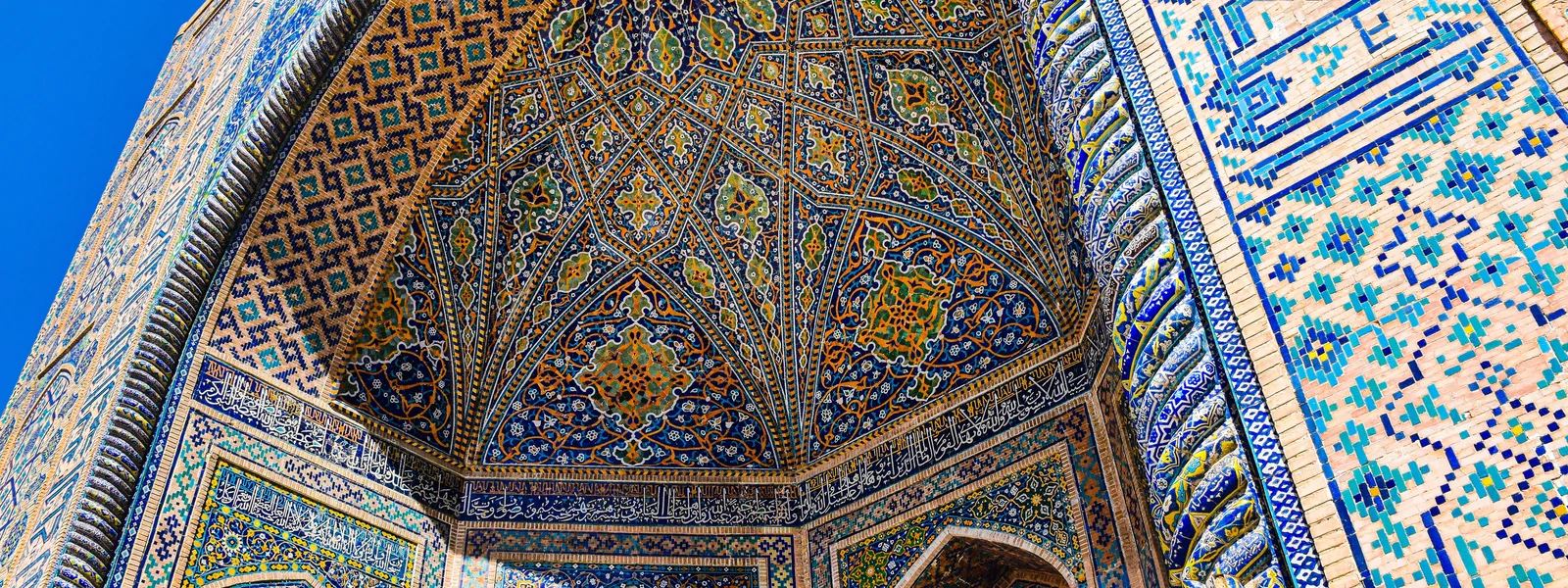
Bukhara and Khiva are the two ancient cities that complete the classic Uzbekistan Silk Road circuit, each offering a different character within the common framework of extraordinary Islamic architecture and Central Asian heritage. Bukhara, with 2,000 years of continuously inhabited history, presents its monuments scattered across a sprawling old city that rewards days of exploration. Khiva, the most perfectly preserved of Uzbekistan's ancient cities, concentrates its extraordinary architectural heritage within the Itchan Kala walled city in a way that creates an almost complete medieval urban environment that is unlike anywhere else in the world. In 2026, the new high-speed train connection to Khiva has transformed the city's accessibility, reducing the Tashkent journey from 15 hours to 7 hours 40 minutes and enabling it to be incorporated into the main tourist circuit without the significant time investment previously required.
Bukhara: Connectivity in the Old City
Bukhara's old city is where the Silk Road's architectural and commercial heritage is most densely concentrated: the 47-metre Kalon Minaret that predates Tamerlane's invasions, the Ark citadel that served as the royal fortress for two millennia, the Poi Kalon complex with its matching mosque and minaret flanking a medresseh, the trading domes of the covered bazaars, and the hundreds of smaller mosques, mausoleums, and madrassas that fill the ancient lanes. Beeline and Ucell 4G is adequate throughout the main tourist zone of Bukhara's old city, with the outdoor sites providing better coverage than the enclosed bazaar domes and the interior chambers of major monuments. The Lyabi-Hauz pond at the heart of the old city, with its surrounding mulberry trees and traditional choykhana tea houses, is one of the most pleasant connectivity environments in Uzbekistan, with outdoor 4G enabling leisurely social media use from the poolside seating that Bukhara's most atmospheric gathering place provides.
| City/Site | Signal | Best Use | Note |
|---|---|---|---|
| Bukhara Lyabi-Hauz | 4G good outdoors | Social media, messaging | Best outdoor connectivity zone |
| Kalon Minaret complex | 4G adequate | Navigation, photography | Open site; good signal |
| Ark citadel | 4G/3G variable | Tourism navigation | Old walls create variation |
| Bukhara bazaar domes | 3G/4G variable | Messaging only indoors | Thick dome walls attenuate signal |
| Khiva Itchan Kala (interior lanes) | 3G/4G variable | Download offline maps first | Walled city creates coverage variation |
| Khiva Kalta Minor minaret | 3G/4G | Photography, sharing | Outdoor site; better coverage |
| Khiva Khuna Ark | 3G/4G | Tourism navigation | Citadel area; adequate |
| Urgench Airport (Khiva access) | 4G good | Yandex Go to Khiva | 30 min drive to Itchan Kala |
Khiva in 2026: The Train Revolution
The high-speed train connection to Khiva launched in 2026 is the most significant infrastructure development in Uzbekistan tourism this year. The Samarkand Express and new national rail services now connect Tashkent to Khiva in 7 hours 40 minutes rather than the previous 15-hour journey that made Khiva a time-expensive addition to the Silk Road circuit. This single infrastructure change has moved Khiva from an optional extension for committed travellers to a viable standard circuit addition for any visitor with ten or more days in Uzbekistan. The train route from Bukhara to Urgench for Khiva covers approximately 450 kilometres, with the usual Beeline coverage pattern: present in the populated sections and intermittent in the desert midsection that this western Uzbekistan route crosses.
The Itchan Kala: An Exceptional Heritage Environment
Khiva's Itchan Kala, the inner walled city dating to the 5th century and UNESCO-listed since 1990, is among the most completely preserved medieval Islamic cities in the world. The four-kilometre city wall encloses a density of mosques, madrassas, minarets, and caravanserais that rivals any concentration of Islamic architecture anywhere, in a city that retains its lived character with residents still occupying the ancient buildings alongside the tourist infrastructure. The Kalta Minor minaret, an extraordinary fat turquoise cylinder that was never completed, the Juma Mosque with its 218 carved wooden columns, and the Tosh-Hovli palace complex provide a full day of exploration within the walls. Connectivity within the Itchan Kala is variable, with outdoor spaces at monument sites having 3G to 4G on Beeline and Ucell, and the enclosed lanes between buildings having weaker signal that varies with the specific building mass blocking tower propagation. Download the Khiva offline map before entering the Itchan Kala from hotel WiFi in Urgench or Khiva's main city area, where signal is more consistent.
Bukhara to Khiva Transport
The journey from Bukhara to Khiva is one of the Silk Road circuit's most logistically variable sections. Options include the new high-speed train via Navoi and Urgench, a shared taxi (approximately 4 to 5 hours on a direct route), private transfer, or the slower regional train service. The train option, now much faster in 2026, is the most comfortable and recommended. Yandex Go is available in Bukhara for the station transfer, and in Urgench for the 30-kilometre onward journey to Khiva's Itchan Kala. Coordinate the Urgench to Khiva Yandex Go booking before arriving at Urgench station, using the Bukhara 4G connection before boarding the train to pre-load the Khiva destination in the app.
Photography in Bukhara and Khiva
Both Bukhara and Khiva are among the most photographed cities in Central Asia, producing the turquoise dome and tile photography that dominates Uzbekistan's Instagram presence. The photography volumes at Bukhara's Kalon complex and Khiva's Kalta Minor minaret are comparable to the Registan in Samarkand, with 200 to 500 images accumulated in a serious heritage photography day at each city. The connectivity for sharing this photography, while adequate at the outdoor monument sites, is insufficient for continuous real-time uploading of high-resolution images. The evening hotel WiFi backup session, now as standard in Bukhara and Khiva as in Samarkand and Tashkent, handles the photography archive efficiently and preserves eSIM data for the navigation and communication that the morning exploration requires.
Bukhara's Atmospheric Evening Character
Bukhara's old city at evening is among the most atmospheric environments on the Silk Road, with the Kalon Minaret and Poi Kalon complex illuminated against the desert sky and the Lyabi-Hauz pond reflecting the surrounding mulberry trees and the lights of the choykhana tea houses. Beeline 4G in the evening old city is adequate for the social media documentation that this atmosphere rewards, though the concentrated Silk Road tourism in the Lyabi-Hauz area during peak season creates some network congestion at the most popular dinner and evening photography hours. Share the most visually impactful Bukhara photographs from the hotel WiFi rather than from the Lyabi-Hauz if network congestion is causing upload delays, and use the evening connectivity for the real-time messaging and restaurant coordination that requires immediacy rather than the photography sharing that can be deferred.
Khiva's Small Scale and Navigation
Khiva's Itchan Kala, at approximately two kilometres by one kilometre in area, is the most compact of Uzbekistan's major heritage sites and the one where the signal variation within the walled city creates the most practical connectivity challenge. The Kalta Minor minaret area and the main Djuma Square have the best coverage in the Itchan Kala. The eastern residential section of the walled city, where traditional family homes are being preserved and converted to guesthouses, has more variable signal due to the building density. Download the Khiva offline map before entering the Itchan Kala, which takes less than a minute from outside the walls where signal is stronger. Once inside, the offline map provides adequate navigation for the 2 to 3 kilometre circuit of all major monuments within the walls without any live data dependency.
Bukhara's Jewish Heritage: A Connected Navigation Challenge
Bukhara's Jewish quarter, one of the oldest Jewish communities in Central Asia with a history extending over 2,500 years, is dispersed through the old city's residential fabric in a way that rewards guided navigation or very prepared self-guided exploration. The synagogues, carpet workshops, and traditional houses of the Mahalla Sangon neighbourhood are not concentrated at a single landmark but distributed across a residential area that blends Uzbekistani and Jewish cultural heritage in a distinctive architectural language. Google Maps coverage of this neighbourhood is less complete than for the main monument zone, and the combination of offline Maps.me and the specific GPS coordinates for the main synagogue saved from hotel WiFi provides the most reliable navigation for self-guided Jewish quarter exploration. Beeline 4G in the neighbourhood is adequate for messaging and navigation but the older building stock creates the indoor coverage variation described throughout this guide. Spending a morning in this neighbourhood, perhaps with a local guide recommended via a Bukhara guesthouse WhatsApp contact, enriches the Bukhara visit beyond the Islamic architecture circuit with a dimension of the city's extraordinary cultural layering.
The 2026 high-speed train extension to Khiva changes not just the time mathematics of the Silk Road circuit but the psychological accessibility of Khiva. When a destination requires 15 hours of travel, it becomes an expedition committed only by the most determined visitors. When it requires 7 hours 40 minutes on a comfortable high-speed train, it becomes a natural extension of a 12-day Uzbekistan visit that any serious Silk Road traveller would include. This accessibility transformation is the single most significant change in Uzbekistan tourism infrastructure for 2026 and will materially increase Khiva's visitor numbers and the tourism infrastructure investment that follows.
The Complete Western Uzbekistan Circuit
Bukhara and Khiva together complete the western arc of the Silk Road circuit, providing the architectural heritage and living Central Asian culture that makes the Uzbekistan visit something more than a series of monument photographs. The connectivity that Beeline and Ucell provide at both destinations, adequate throughout the outdoor tourist areas and variable in the enclosed medieval building fabric, is fully sufficient for the navigation, communication, and moderate social documentation that the circuit requires. The 2026 train connection to Khiva removes the single largest logistical obstacle to visiting one of the world's most perfectly preserved medieval cities, and the eSIM that activates at Tashkent Airport and continues serving the circuit through the Urgench station arrival and the Yandex Go ride to the Itchan Kala gate provides the uninterrupted connectivity thread that connects the entire circuit from first arrival to final departure.
Practical Preparation Summary
The practical preparation for a connected Uzbekistan visit reduces to five actions that together provide the complete digital infrastructure for the Silk Road circuit. Install a Beeline or Uzmobile-based travel eSIM at home before departure. Install and test a VPN service, choosing Astrill or ExpressVPN with obfuscation for Uzbekistan's throttling environment. Register Yandex Go with a payment card for seamless city transport across all four Silk Road destinations. Download Google Maps offline areas for Tashkent, Samarkand, Bukhara, and Khiva from hotel WiFi on the first evening in Tashkent. Install the Uzbekistan national tourism platform app for digital attraction ticketing at major heritage sites. These five actions require a combined thirty to forty-five minutes and produce the connectivity foundation that supports every dimension of the Silk Road experience, from the Tashkent Airport arrival through the Registan's extraordinary sunset sessions to the Khiva Itchan Kala's ancient lanes and back to the Tashkent departure. Uzbekistan's extraordinary concentration of Islamic architectural heritage, nomadic cultural traditions, and Silk Road historical depth is fully accessible to the visitor who arrives with this preparation complete and a genuine curiosity about one of the world's most undervisited great travel destinations.
Uzbekistan's Silk Road heritage is among the world's most extraordinary concentrations of Islamic architecture, nomadic history, and Central Asian cultural depth, and the connected visitor who arrives with the digital preparation described throughout this guide can fully engage with every dimension of the experience, from the real-time photography sharing at the Registan to the WhatsApp coordination with Bukhara guesthouses to the Yandex Go transport that makes every journey between monuments seamless, while the VPN ensures platform access and the offline maps provide navigation wherever Beeline or Ucell signal is variable. This is the complete digital picture of Uzbekistan in 2026: better than the reputation, honest about the restrictions, and fully manageable with thirty minutes of home preparation that produces a digital infrastructure adequate for the entire Silk Road circuit.Get Your Uzbekistan eSIM
Compare Beeline-based Uzbekistan plans for the Silk Road circuit.
FAQ
What is the connectivity picture in Uzbekistan?
Bukhara's old city is where the Silk Road's architectural and commercial heritage is most densely concentrated: the 47-metre Kalon Minaret that predates Tamerlane's invasions, the Ark citadel that served as the royal fortress for two millennia, the Poi Kalon complex with its matching mosque and minaret flanking a medresseh, the trading domes of the covered bazaars, and the hundreds of smaller mosques, mausoleums, and madrassas that fill the ancient lanes. Beeline and Ucell 4G is adequate throughout the main tourist zone of Bukhara's old city, with the outdoor sites providing better coverage than the enclosed bazaar domes and the interior chambers of major monuments.
What should travelers know about khiva in 2026: the train revolution in Uzbekistan?
The high-speed train connection to Khiva launched in 2026 is the most significant infrastructure development in Uzbekistan tourism this year. The Samarkand Express and new national rail services now connect Tashkent to Khiva in 7 hours 40 minutes rather than the previous 15-hour journey that made Khiva a time-expensive addition to the Silk Road circuit. This single infrastructure change has moved Khiva from an optional extension for committed travellers to a viable standard circuit addition for any visitor with ten or more days in Uzbekistan.
What should travelers know about the itchan kala: an exceptional heritage environment in Uzbekistan?
Khiva's Itchan Kala, the inner walled city dating to the 5th century and UNESCO-listed since 1990, is among the most completely preserved medieval Islamic cities in the world. The four-kilometre city wall encloses a density of mosques, madrassas, minarets, and caravanserais that rivals any concentration of Islamic architecture anywhere, in a city that retains its lived character with residents still occupying the ancient buildings alongside the tourist infrastructure. The Kalta Minor minaret, an extraordinary fat turquoise cylinder that was never completed, the Juma Mosque with its 218 carved wooden columns, and the Tosh-Hovli palace complex provide a full day of exploration within the walls.
What should travelers know about bukhara to khiva transport in Uzbekistan?
The journey from Bukhara to Khiva is one of the Silk Road circuit's most logistically variable sections. Options include the new high-speed train via Navoi and Urgench, a shared taxi (approximately 4 to 5 hours on a direct route), private transfer, or the slower regional train service. The train option, now much faster in 2026, is the most comfortable and recommended. Yandex Go is available in Bukhara for the station transfer, and in Urgench for the 30-kilometre onward journey to Khiva's Itchan Kala. Coordinate the Urgench to Khiva Yandex Go booking before arriving at Urgench station, using the Bukhara 4G connection before boarding the train to pre-load the Khiva destination in the app.