Samarkand eSIM Guide 2026: Connectivity at the Heart of the Silk Road
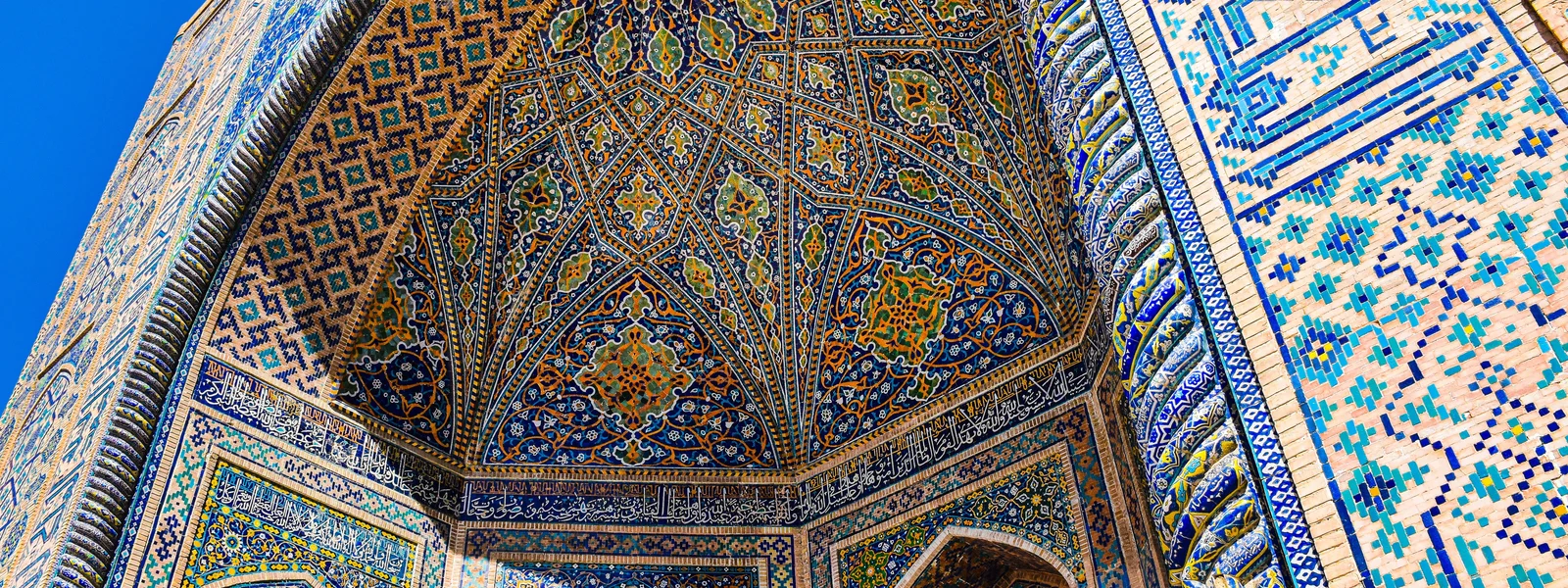
Samarkand is the jewel of the Silk Road and the single most photographed city in Central Asia: the Registan complex of three magnificently tiled madrassas, the turquoise dome of Tamerlane's Gur-e-Amir mausoleum, and the Shah-i-Zinda necropolis with its extraordinary corridor of blue-tiled mausoleums create a concentration of Islamic architectural masterpieces that no other city in the world can match. Beeline and Ucell 4G in Samarkand's tourist zone is adequate for the navigation, photography sharing, and communication that visiting this extraordinary city requires, with the caveat that the medieval street fabric of the old city presents the indoor signal variation that ancient building stock creates throughout the Uzbekistan circuit.
Coverage at Samarkand's Major Sites
Registan Square, the symbolic heart of Samarkand and arguably the most impressive public space in Central Asia, has strong Beeline and Ucell 4G in the open plaza area. The three madrassas surrounding the square, Ulugh Beg, Tilya-Kori, and Sher-Dor, present variable indoor coverage in their tiled chambers and the open courtyards have better signal than the deep interior spaces. The best connectivity for Registan photography sharing is from the central plaza rather than from inside the madrassa chambers, and the golden hour and blue hour photography sessions that the Registan's extraordinary light rewards are conducted primarily from the outdoor plaza where signal is consistently present.
Shah-i-Zinda, the 36-mausoleum necropolis that runs along a ridge above the ancient city, has Ucell and Beeline 4G along most of the main processional path. The narrow, tiled corridor between the mausoleums is one of Uzbekistan's most photographed spaces and the combination of signal presence and photographic intensity makes it a location where immediate social media sharing from the site is common among visiting photographers. The signal is present in the main path but can vary in the enclosed side chapels where thick ceramic-tiled walls create signal attenuation.
| Samarkand Site | Signal Quality | Practical Use |
|---|---|---|
| Registan (plaza) | Beeline/Ucell 4G strong | Navigation, photography sharing |
| Registan (madrassa interiors) | 3G/4G variable | Defer uploads to outdoor position |
| Shah-i-Zinda (main path) | 4G adequate | Photography sharing possible |
| Gur-e-Amir mausoleum | 4G adequate outdoors | Navigation and photography |
| Bibi-Khanym Mosque | 4G strong (open site) | All tourist tasks |
| Siab Bazaar | 4G good | Navigation, food photography |
| Samarkand train station | 4G strong | Yandex Go pickup coordination |
| Afrasiyab Museum | 4G adequate | Navigation and research |
Arriving in Samarkand: Afrosiyob Train
The Afrosiyob high-speed train from Tashkent to Samarkand covers the 344-kilometre route in approximately 2.5 hours, making it the most comfortable and popular transport option for the Silk Road circuit. Beeline and Ucell 4G is present at both Tashkent Central Station and Samarkand Station, with the train journey itself having intermittent 4G in populated sections and offline coverage in the steppe midsection. Book Yandex Go from Samarkand station to the hotel before the train arrives at Samarkand, using the Tashkent 4G connection in the final approach as the connectivity window for this booking. Samarkand station to the Registan area is a 10-to-15-minute Yandex Go ride at approximately 8,000 to 15,000 UZS (USD 0.65 to 1.20).
Samarkand's Hotel WiFi and Photography Backup
Samarkand has a well-developed tourist hotel infrastructure ranging from UNESCO-adjacent boutique guesthouses in traditional merchant houses to international hotel chains near the Registan. Hotel WiFi quality in Samarkand varies more than in Tashkent, where international hotel standards prevail. Traditional guesthouse WiFi typically runs 5 to 20 Mbps, adequate for the photography backup session that the Registan and Shah-i-Zinda photography volumes require each evening. Set a fixed hotel WiFi backup session each evening during the Samarkand stay, uploading the day's photography archive in one dedicated session rather than attempting piecemeal 4G uploads throughout the day.
Day Trips from Samarkand
Samarkand is the base for several day trips that extend the Silk Road experience beyond the city itself. Shahrisabz, the birthplace of Tamerlane 80 kilometres south, has been added to the UNESCO World Heritage List and has Ucell and Beeline 4G in the town centre at the main monument complex. The drive from Samarkand over the Takhtakaracha Pass provides mountain scenery and the expected variable coverage on mountain roads. Urgut market, a famous weekly bazaar 35 kilometres east of Samarkand that specialises in Uzbek silk and textiles, has adequate Beeline coverage at the market site. Download offline maps for both Shahrisabz and the mountain pass routes before departing Samarkand for any day trip that ventures beyond the city's direct 4G coverage zone.
Samarkand's Tourist Season and Network Load
Samarkand's peak tourist season from late April through early October brings visitor volumes that create higher network load at the major sites during peak hours. The Registan in the golden hour before sunset and at the famous sound-and-light show is the highest-demand network moment in Samarkand, with hundreds of simultaneously photographing tourists all attempting to share the same extraordinary imagery at the same time. Beeline 4G at the Registan handles moderate individual use adequately but peak-hour congestion can slow uploads. Plan the most bandwidth-intensive social media posts for early morning visits to the Registan, when visitor numbers are lower and the pre-sunrise atmosphere creates equally compelling photography at uncrowded network conditions. Shah-i-Zinda, which is less crowded than the Registan and particularly beautiful in early morning light, has consistently better network conditions for real-time photography sharing throughout the day.
Samarkand's Modern City
Samarkand's modern city, built around the heritage zone during the Soviet era and continuing to develop, is where the city's practical tourism infrastructure of hotels, restaurants, and transport concentrates. The Siab Bazaar adjacent to the Bibi-Khanym Mosque provides the most authentic local market experience near the heritage sites, with strong Beeline 4G enabling navigation between the market stalls and the surrounding monument zone. The modern Samarkand hotel district along the Tashkent highway has excellent connectivity for accommodation-based digital work sessions. Yandex Go in Samarkand covers the heritage sites, the modern city, and the station, enabling efficient navigation between the major monuments that are spread across a larger area than their UNESCO concentration might suggest.
Samarkand's Significance in the Silk Road Narrative
Samarkand's place in world history is extraordinary: the city was the capital of Tamerlane's empire in the 14th and 15th centuries, a trade nexus where caravans from China, India, Persia, and Europe converged, and the home of the astronomical observatory of Ulugh Beg, whose measurements of star positions in the 15th century were accurate to within a minute of arc. The monuments that these rulers and scholars built reflect the wealth and cultural confidence of a world city at the height of the Silk Road's commercial and intellectual vitality. Understanding this context, available through the downloaded audio guide from the Uzbekistan tourism app or from the offline travel research completed before arrival, enriches the architectural experience from the merely visually extraordinary to the historically profound. The Beeline 4G that connects the Samarkand visit to this historical and cultural context, through translation apps, Wikipedia offline articles, and the tourism platform's interpretive content, is not just a logistical convenience but an intellectual enrichment tool that makes the heritage site experience more meaningful.
The Registan's three madrassas each have a distinct historical period and architectural identity: the Ulugh Beg Madressa (1420) is the oldest, built by the astronomer king; the Sher-Dor Madressa (1636) with its distinctive tiger motif breaks with Islamic artistic convention; and the Tilya-Kori Madressa (1660) with its gold-leaf interior dome completes the ensemble. Navigation through these chronological and stylistic distinctions, guided by downloaded interpretive content from hotel WiFi the evening before the Registan visit, transforms a photography session into an architectural and historical encounter that the digital tools enable without requiring an expensive guided tour.
Samarkand in the Silk Road Circuit
Samarkand deserves three to four days of dedicated exploration, with the Registan and Shah-i-Zinda requiring at least two separate visits at different light conditions to appreciate the full range of their visual character. The Beeline and Ucell 4G that covers the outdoor spaces of these monuments provides the connectivity for documenting and sharing the extraordinary architecture while experiencing it, rather than deferring all sharing to the hotel WiFi session that evening. For the photography that defines the Samarkand experience for most international visitors, the combination of adequate outdoor signal and the offline map backup for the old city's less well-mapped lanes provides the complete digital infrastructure for three to four days of fully connected Silk Road heritage exploration at the heart of one of the world's great cities.
Practical Preparation Summary
The practical preparation for a connected Uzbekistan visit reduces to five actions that together provide the complete digital infrastructure for the Silk Road circuit. Install a Beeline or Uzmobile-based travel eSIM at home before departure. Install and test a VPN service, choosing Astrill or ExpressVPN with obfuscation for Uzbekistan's throttling environment. Register Yandex Go with a payment card for seamless city transport across all four Silk Road destinations. Download Google Maps offline areas for Tashkent, Samarkand, Bukhara, and Khiva from hotel WiFi on the first evening in Tashkent. Install the Uzbekistan national tourism platform app for digital attraction ticketing at major heritage sites. These five actions require a combined thirty to forty-five minutes and produce the connectivity foundation that supports every dimension of the Silk Road experience, from the Tashkent Airport arrival through the Registan's extraordinary sunset sessions to the Khiva Itchan Kala's ancient lanes and back to the Tashkent departure. Uzbekistan's extraordinary concentration of Islamic architectural heritage, nomadic cultural traditions, and Silk Road historical depth is fully accessible to the visitor who arrives with this preparation complete and a genuine curiosity about one of the world's most undervisited great travel destinations.
Uzbekistan's Silk Road heritage is among the world's most extraordinary concentrations of Islamic architecture, nomadic history, and Central Asian cultural depth, and the connected visitor who arrives with the digital preparation described throughout this guide can fully engage with every dimension of the experience, from the real-time photography sharing at the Registan to the WhatsApp coordination with Bukhara guesthouses to the Yandex Go transport that makes every journey between monuments seamless, while the VPN ensures platform access and the offline maps provide navigation wherever Beeline or Ucell signal is variable. This is the complete digital picture of Uzbekistan in 2026: better than the reputation, honest about the restrictions, and fully manageable with thirty minutes of home preparation that produces a digital infrastructure adequate for the entire Silk Road circuit. The Silk Road circuit of Uzbekistan, connecting Tashkent's modern capital culture with Samarkand's Timurid architectural masterpieces, Bukhara's ancient oasis city character, and Khiva's perfectly preserved medieval urban environment, is one of the world's great travel experiences, and the Beeline or Ucell eSIM, the pre-installed VPN, and the offline city maps together provide the connected infrastructure that makes every aspect of this extraordinary journey practically seamless for the prepared international visitor in 2026. The investment in pre-departure digital preparation, thirty minutes of eSIM installation, VPN testing, and offline map downloading, pays returns throughout every day of the Silk Road circuit in seamless navigation, reliable communication, and photography sharing that captures and conveys the extraordinary visual richness of Uzbekistan's Islamic architectural heritage to audiences worldwide. Uzbekistan in 2026 represents one of the world's great emerging travel destinations, with the connectivity infrastructure to support the modern independent traveller alongside the ancient Silk Road heritage that has drawn visitors along this extraordinary corridor for two thousand years. The right Uzbekistan eSIM, selected with the criteria described throughout this guide, provides the connectivity infrastructure that the Silk Road circuit deserves. Samarkand remains the indisputable centrepiece of the Uzbekistan Silk Road circuit, and the Beeline and Ucell 4G that serves its extraordinary outdoor heritage sites provides the connected platform for documenting and sharing the architectural legacy of Tamerlane's imperial ambition at the heart of the medieval Silk Road world.Get Your Uzbekistan eSIM
Compare Beeline-based Uzbekistan plans for the Silk Road circuit.
FAQ
What coverage and network performance should travelers expect in Uzbekistan?
Registan Square, the symbolic heart of Samarkand and arguably the most impressive public space in Central Asia, has strong Beeline and Ucell 4G in the open plaza area. The three madrassas surrounding the square, Ulugh Beg, Tilya-Kori, and Sher-Dor, present variable indoor coverage in their tiled chambers and the open courtyards have better signal than the deep interior spaces. The best connectivity for Registan photography sharing is from the central plaza rather than from inside the madrassa chambers, and the golden hour and blue hour photography sessions that the Registan's extraordinary light rewards are conducted primarily from the outdoor plaza where signal is consistently present.
What should travelers know about samarkand's modern city in Uzbekistan?
Samarkand's modern city, built around the heritage zone during the Soviet era and continuing to develop, is where the city's practical tourism infrastructure of hotels, restaurants, and transport concentrates. The Siab Bazaar adjacent to the Bibi-Khanym Mosque provides the most authentic local market experience near the heritage sites, with strong Beeline 4G enabling navigation between the market stalls and the surrounding monument zone. The modern Samarkand hotel district along the Tashkent highway has excellent connectivity for accommodation-based digital work sessions.
What should travelers know about arriving in samarkand: afrosiyob train in Uzbekistan?
The Afrosiyob high-speed train from Tashkent to Samarkand covers the 344-kilometre route in approximately 2.5 hours, making it the most comfortable and popular transport option for the Silk Road circuit. Beeline and Ucell 4G is present at both Tashkent Central Station and Samarkand Station, with the train journey itself having intermittent 4G in populated sections and offline coverage in the steppe midsection. Book Yandex Go from Samarkand station to the hotel before the train arrives at Samarkand, using the Tashkent 4G connection in the final approach as the connectivity window for this booking.
What should travelers know about samarkand's hotel wifi and photography backup in Uzbekistan?
Samarkand has a well-developed tourist hotel infrastructure ranging from UNESCO-adjacent boutique guesthouses in traditional merchant houses to international hotel chains near the Registan. Hotel WiFi quality in Samarkand varies more than in Tashkent, where international hotel standards prevail. Traditional guesthouse WiFi typically runs 5 to 20 Mbps, adequate for the photography backup session that the Registan and Shah-i-Zinda photography volumes require each evening. Set a fixed hotel WiFi backup session each evening during the Samarkand stay, uploading the day's photography archive in one dedicated session rather than attempting piecemeal 4G uploads throughout the day.