How Much Data Do You Need in Azerbaijan? 2026 Travel Guide
Why Data Estimation Matters More in Azerbaijan
Azerbaijan has two competing data realities. In Baku, 4G LTE speeds of 20-60 Mbps make it easy to burn through a data allowance quickly without noticing -- HD video loads instantly, maps cache at full resolution, and Instagram uploads in seconds. Outside the capital, speeds slow and coverage becomes patchier, meaning you consume less data (often because you cannot load heavy content anyway). Planning your data budget requires accounting for both environments.
A second factor: Azerbaijan applies internet filtering to some websites. This occasionally causes apps to retry connections, which can marginally increase background data usage compared to countries with open internet. Major travel apps (Google Maps, WhatsApp, Telegram, YouTube) are unaffected and work normally.
Data Usage by Activity
These figures reflect typical use on a 4G connection and represent per-hour consumption unless noted:
- Google Maps navigation (active): 20-30 MB/hour with map tiles loading as you move. Offline maps (downloaded over hotel Wi-Fi) eliminate this entirely.
- WhatsApp messaging + voice calls: 5-15 MB/hour for text-heavy chats; WhatsApp voice calls consume around 1-1.5 MB/minute.
- Instagram browsing: 50-100 MB/30 minutes depending on Reels vs static posts.
- YouTube streaming (720p): 300-450 MB/hour. At 1080p: 600-800 MB/hour.
- Spotify/music streaming: 40-75 MB/hour at standard quality.
- Google Translate (camera mode for Azerbaijani text): 2-5 MB per translation session.
- Bolt or InDriver ride-hailing (Baku): Under 5 MB per booking.
- Video calls (WhatsApp/FaceTime/Zoom): 60-130 MB/30 minutes depending on quality.
Itinerary-Based Data Estimates
3-Day Baku City Break
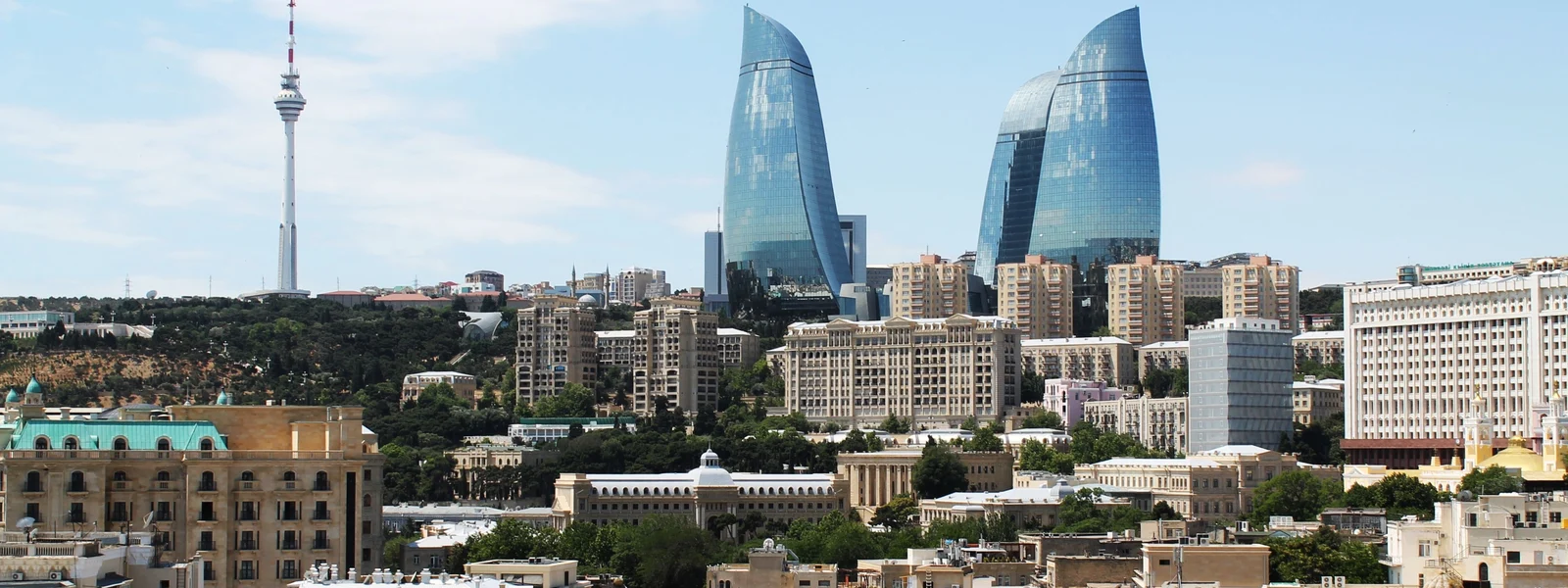
Three days in Baku exploring the Old City, Flame Towers, seafront boulevard, and a day trip to Gobustan. You will use maps actively, share photos, and make daily calls home. Expected consumption: 2-3 GB. A 3 GB plan covers you comfortably; a 5 GB plan gives breathing room for extra video calls or Instagram stories.
7-Day Azerbaijan Highlights Circuit
Baku plus Sheki, Quba, and Gobustan with road transit between destinations. You will navigate mountain roads (using pre-downloaded offline maps is smart here), check in daily on social media, and use WhatsApp heavily. In areas with patchy 4G, background sync pauses automatically. Expected consumption: 4-6 GB. A 5 GB plan works for moderate users; choose 10 GB if you stream music during long drives or post video content daily.
14-Day Deep Caucasus Exploration
Two weeks covering Baku, the wine country around Shamakhi, Sheki, Ganja, and possibly the Karabakh cultural circuit if accessible via organized tour. Longer trip, more data touchpoints. Expected consumption: 8-12 GB. A 10 GB plan is the baseline; heavy social media users or remote workers should choose 15-20 GB.
Remote Karabakh / Mountain Village Focus
If your trip centers on areas with variable 4G (Xinaliq, high Caucasus trails, early-stage Karabakh coverage zones), actual data consumption often ends up lower than expected -- slow or absent signal means apps queue uploads and reduce streaming quality automatically. In these scenarios, a 5 GB plan can stretch across 2+ weeks because significant portions of the trip happen in coverage gaps. Download everything you might need offline before leaving Baku.
Digital Nomad Working from Baku
Baku has a growing coworking scene and reliable hotel broadband, which should be your primary connection for work. Use your eSIM as backup, for commuting between spaces, and for evenings out. A typical remote work month in Baku -- using hotel/cafe Wi-Fi for most tasks, eSIM for mobility -- consumes 15-25 GB of mobile data. Factor in video meetings held on mobile data and this can rise to 30+ GB in a heavy month. Most digital nomads in Baku opt for a local physical SIM for extended stays rather than relying on travel eSIM allowances.
Using a Hotspot in Azerbaijan
Sharing your eSIM connection via hotspot to a laptop or tablet multiplies consumption rapidly. A single hour of video conferencing on a laptop over your hotspot consumes 300-500 MB. A full remote work day on a hotspot can consume 3-5 GB. If you plan to hotspot regularly, add 50-100% to your base estimate. Check that your eSIM plan permits hotspot tethering -- most do, but some budget plans restrict it.
Saving Data in Azerbaijan
Several habits dramatically reduce consumption without impacting your experience:
- Download Google Maps offline for Baku and any region you plan to visit -- this alone saves 200-400 MB on a 7-day trip.
- Use Telegram instead of WhatsApp for group chats -- Telegram is extremely efficient with data and is the dominant messaging app locally, making it easy to communicate with tour operators and guesthouses.
- Set Instagram, Twitter/X, and TikTok to "use less data" mode in their individual settings -- typically cuts consumption 40-60%.
- Download Spotify playlists or podcasts over hotel Wi-Fi before multi-hour drives.
- Enable Low Data Mode on iPhone (Settings > Mobile Data > Mobile Data Options) to restrict background app refresh across all apps simultaneously.
Recommended Plan Sizes
Based on the itineraries above, here are practical starting points:
- 3-5 days, Baku only, light use: 3 GB
- 5-7 days, Baku + 1-2 regions, moderate use: 5 GB
- 10-14 days, full country circuit: 10 GB
- 14+ days or heavy social/streaming use: 15-20 GB
- Digital nomad month: 20-30 GB or local SIM
When in doubt, choose the next size up. The price difference between a 5 GB and 10 GB plan from most providers is modest -- usually $3-7 -- and running out of data mid-trip in a country where top-up logistics are slightly more complex than in Western Europe is worth avoiding.
Checking Your Usage
Your phone's built-in data tracker is your best tool. On iPhone, go to Settings > Mobile Data and scroll down to see per-app consumption since the last reset. On Android, check Settings > Network > Data Usage. Reset the counter when your eSIM plan activates to get accurate trip-specific numbers. Most eSIM provider apps also show remaining data in real time.
Seasonal Variations in Data Use
Data consumption patterns shift slightly across Azerbaijan's travel seasons. Summer (June-August) brings outdoor-heavy itineraries -- beach days on the Absheron Peninsula, hiking near Sheki and Quba, long drives through the Caucasus foothills. These activities often involve navigation in areas with variable signal, which means apps queue data rather than streaming continuously. Overall consumption may be slightly lower than a Baku city break of the same length, simply because large portions of the day are spent in low-coverage mountain areas.
Winter travel (November-February) is centered more on Baku itself, which has excellent 4G coverage throughout. Museum visits, restaurant hopping, and indoor cultural activities mean you are consistently on strong 4G and more likely to browse, stream, and post actively. Winter Baku travelers often find their data consumption slightly higher per day than summer travelers for this reason.
Spring (March-May) and autumn (September-October) are peak tourism seasons -- pleasant weather, outdoor conditions, and full regional travel. Data use patterns are most varied across the day, mixing city 4G and regional variable coverage.
Data Usage When Using a VPN
If you run a VPN for privacy or to access filtered content, expect 5-15% additional overhead on your data consumption. VPN encryption adds a small amount of data to every packet transmitted. On a 5 GB plan with daily VPN use for 10 days, the overhead might add 100-300 MB to your total consumption -- a meaningful but not dramatic figure. Factor this in if you plan to use a VPN throughout your trip.
Planning for Buffer Data
The golden rule of travel data planning: add 20-30% buffer above your calculated estimate. Real usage is rarely exactly as predicted -- an unexpected video call with family runs long, you spend an evening with new friends watching YouTube clips, or you end up doing a Zoom meeting on mobile data because the hotel Wi-Fi is unusable. A 20% buffer transforms a stressful near-outage into a comfortable cushion. On most plans, the price difference between a 5 GB and 6 GB plan (or 10 GB and 12 GB) is small enough that the buffer costs a few dollars at most.
If you do find yourself approaching your data limit unexpectedly, most eSIM providers allow mid-trip data top-ups through their app without reinstalling the eSIM profile. This is a reassuring safety net -- you will not be stranded without data -- but planning with an appropriate buffer is always preferable to emergency top-up purchases at full price.
Data Consumption Quick Reference
A summary of practical daily data needs for common traveler types in Azerbaijan:
- Light user (navigation + messaging only, minimal social): 100-250 MB/day. A 3 GB plan covers 12+ days.
- Moderate user (maps + messaging + Instagram browsing + occasional YouTube): 400-700 MB/day. A 5 GB plan covers 7-12 days.
- Heavy user (all of the above + active social media posting + video calls + hotspot): 1-2 GB/day. A 10 GB plan covers 5-10 days.
- Remote worker (video meetings + large file transfers on mobile data): 2-4 GB/day. 20 GB minimum for a working week; local SIM recommended for extended stays.
Real-World Data: What Travelers Actually Consume
Based on aggregated reports from travelers in online communities (Reddit's r/eSIM, Lonely Planet forums, Travel Stack Exchange), common actual consumption figures for Azerbaijan trips break down as follows. Three-day Baku city visitors report 1.5-3 GB actual use. Seven-day mixed Baku and regional travelers report 3-7 GB, with the spread reflecting variation in social media posting intensity. Two-week road trippers report 5-10 GB, with lower consumption than expected in mountain areas where signal intermittently prevents heavy use. These real-world figures align closely with the estimates in this guide, confirming that moderate users can plan confidently on the 5 GB per week framework with appropriate buffer above.
One additional consideration for data budgeting: Azerbaijan's network infrastructure is reliable enough that you are unlikely to experience the "data starvation" effect common in some developing markets, where poor coverage means apps fail to load and data is consumed in failed connection attempts rather than successful ones. In Baku and major towns, data consumed is data successfully delivered. This predictability makes estimates more accurate -- the figures in this guide reflect genuine content delivery rather than overhead from connectivity failures. Plan confidently on the ranges provided and adjust based on your own first-day consumption patterns once you are actually on the Azerbaijani network.
Data planning for Azerbaijan is ultimately one of the more straightforward exercises in travel preparation. The country has good infrastructure in its cities and major tourist zones, predictable consumption patterns across standard itinerary types, and an eSIM market with enough competitive options that an appropriate plan is easy to find at a reasonable price. Run through your itinerary against the estimates in this guide, add a 20-30% buffer, round up to the nearest available plan size, and you are done. The minutes spent on this calculation will prevent any data-related frustration during what is, by any measure, a genuinely rewarding travel destination.
FAQ
How much data do I need for a week in Azerbaijan?
A typical 7-day Azerbaijan trip requires 5 to 10 GB for a moderate user. Budget more if you work remotely or stream video frequently.
Does streaming count against my data allowance?
Yes. Video streaming is one of the largest data consumers. Download content over WiFi and set streaming apps to lower quality settings to conserve mobile data.
Can I share my eSIM data via hotspot?
Most eSIM plans permit hotspot tethering. Check your specific plan terms before purchase -- some budget plans restrict tethering or count it separately.