Hunza Valley eSIM Guide 2026: Connectivity for Trekkers and Travellers
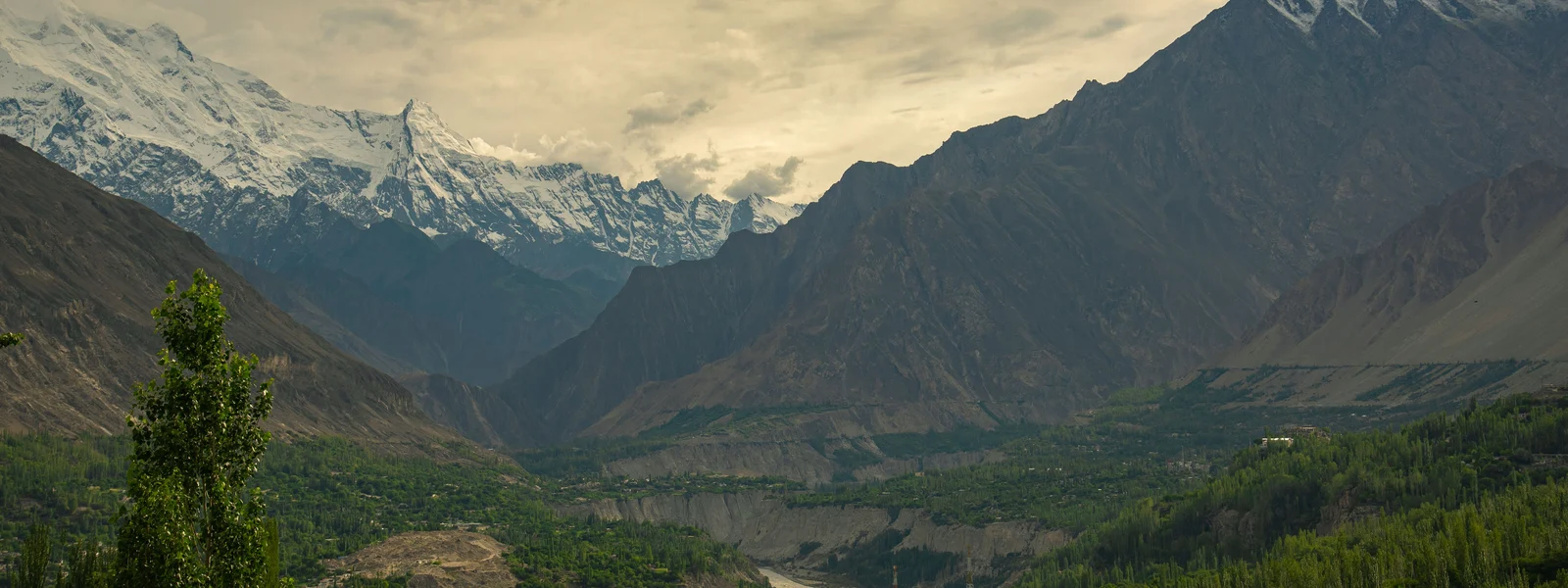
Hunza Valley is the destination that defines Pakistan's adventure tourism renaissance: the turquoise Attabad Lake, the ancient Baltit Fort above Karimabad, the dramatic Rakaposhi and Ultar Sar peaks, and the legendary hospitality of the Hunza people have drawn a growing international visitor community that is fundamentally changing perceptions of Pakistan as a travel destination. The valley's connectivity, which has improved significantly as the local economy has developed around tourism, provides a reasonable working base for the planning and communication needs of valley-based travel while maintaining the high-altitude offline character that defines the trekking and glacier experiences above the main settlements.
Karimabad: The Connectivity Hub of the Valley
Karimabad is the main tourist town of Hunza Valley, situated on a terrace above the Hunza River at approximately 2,400 metres elevation. Jazz provides 3G to 4G coverage throughout the main bazaar area, the guesthouses on the lanes above the main road, and the viewpoints and orchard areas immediately surrounding the town. Signal quality varies with atmospheric conditions; clear mountain mornings typically deliver better Jazz performance than overcast or cloudy afternoons, when the signal can drop from 4G to 3G or weaker. The practical connectivity for a Karimabad base is sufficient for WhatsApp communication with guesthouses and local guides, Google Maps navigation within the valley for jeep transfers and day trips, weather forecast checking, and moderate social media posting of the extraordinary mountain scenery.
Baltit Fort, the 700-year-old fortress that surveys the entire Hunza Valley from above Karimabad, has Jazz signal in the approach areas and intermittent connectivity in the fort courtyard itself depending on the orientation relative to the valley floor towers. Photography sharing from the fort's commanding viewpoint is possible during signal windows. Altit Fort, an older and less-restored fortress approximately five kilometres below Karimabad, has similar intermittent Jazz coverage in its village surroundings.
| Location | Jazz Signal | Altitude | Practical Connectivity |
|---|---|---|---|
| Karimabad bazaar | 3G/4G adequate | 2400m | WhatsApp, navigation, moderate social media |
| Aliabad (lower Hunza) | 3G/4G similar | 2200m | Similar to Karimabad; slightly stronger |
| Attabad Lake viewpoint | 3G variable | 2800m | Photography sharing possible; intermittent |
| Passu village | 2G/3G weak | 2900m | Basic messaging; navigation functional |
| Passu Cones approach | 2G/none | 3000m+ | Offline preparation essential |
| Ultar Sar base approaches | None | 3500m+ | Fully offline; local guide mandatory |
| Fairy Meadows (Nanga Parbat) | None | 3300m | No signal; satellite device recommended |
| Gilgit city (30min north) | 4G strong | 1500m | Full urban connectivity; prep hub |
Attabad Lake: A Connectivity Case Study
Attabad Lake, the turquoise glacial lake that formed when a 2010 landslide blocked the Hunza River, is one of Pakistan's most photographed natural features and a key Hunza Valley attraction. The lake is located approximately 25 kilometres west of Karimabad on the KKH, with boat tours from the eastern shore providing access to the dramatic views and the partially submerged village remains. Jazz signal at the main Attabad Lake tourist area on the eastern shore is intermittent 3G, improving during atmospheric conditions that enhance signal propagation. The boat ride itself, crossing the approximately eight-kilometre lake, passes through a section where signal disappears entirely before returning at the western tunnel exit. The tunnel through the mountain, constructed after the landslide blocked the original KKH route, is offline for the approximately two-kilometre transit. Photography of the extraordinary blue-green water, the surrounding rock faces, and the partially submerged trees is the primary phone use during the lake visit; social media sharing can be deferred to Karimabad hotel connectivity.
Guesthouses and WiFi in Hunza
Hunza Valley's guesthouses have improved their WiFi infrastructure significantly as tourism has grown. The better-established guesthouses in Karimabad's upper lanes, which have invested in satellite internet connectivity to serve the international visitor market, provide WiFi speeds of 5 to 15 Mbps adequate for WhatsApp video calls and basic social media use. This satellite WiFi supplements the Jazz 4G available in the valley and is the recommended route for bandwidth-intensive tasks including photo backup, video calls home, and any cloud-based work. The combination of Jazz 4G for daytime navigation and communication plus guesthouse satellite WiFi for evening photo backup and video calls covers all standard connectivity needs for a Hunza Valley stay without requiring excessive eSIM data consumption.
Safety Communication in Hunza
The hiking and trekking routes above Karimabad, including the Ultar Meadows trail, the Rakaposhi base camp approach from Minapin, and the various high-pasture routes, operate in terrain where mobile signal is absent and local guide expertise is the primary safety infrastructure. The Gilgit-Baltistan rescue services can be contacted from Karimabad via Jazz when signal is present, but communication from above 3,000 metres requires either satellite communication or descending to signal range. For day hikes from Karimabad to the flower-covered slopes above the apricot orchards, the proximity to Jazz signal on return makes the safety situation manageable with normal trail practices. For overnight treks or routes above 3,500 metres, a satellite communicator provides the emergency contact capability that goes beyond what the cellular network can deliver in these elevations.
The Apricot Blossom Season and Connectivity
Hunza Valley's apricot blossom season, typically running from late March through April depending on the specific altitude and year, has become one of Pakistan's most popular photography travel events. The valley transforms with white and pink blossoms above the terraced fields, with Baltit Fort, Rakaposhi, and Ultar Sar providing the mountain backdrop that makes the combination one of South Asia's most photographed spring landscapes. Jazz connectivity during blossom season is the same as at other times in the valley: 3G to 4G in Karimabad and Aliabad town centres, weakening above and between settlements. The high photography volumes that blossom season generates, with serious landscape photographers potentially shooting 500 to 1,000 images per day, make the WiFi-only photo backup strategy described throughout this guide particularly important during this peak photography period. Guesthouse WiFi in Karimabad handles the backup load at rates of 5 to 15 Mbps; Jazz 4G in the valley provides the real-time sharing capability for selective immediate posts during the blossom walks.
Logistics of the Hunza Valley Circuit
A complete Hunza Valley circuit for international visitors typically involves three to five nights in Karimabad as a base, with day trips to Attabad Lake, the Passu Cones, Gulmit village, and the Hussaini Suspension Bridge. All of these locations are accessible from Karimabad by shared jeep, private jeep hire, or local transport along the KKH. WhatsApp coordination with local jeep drivers and guesthouse contacts handles the logistics of this circuit, and the Jazz 3G to 4G in Karimabad makes this coordination practical without requiring a local SIM or in-person negotiation for every transport arrangement. The guesthouse owners in Karimabad, who typically have deep knowledge of the valley's routes, conditions, and local contacts, communicate entirely through WhatsApp and provide a connectivity-mediated local knowledge network that makes independent navigation of the Hunza circuit straightforward for prepared international visitors.
Beyond Hunza: Skardu and Baltistan
Skardu, the gateway to K2 and the Baltoro Glacier, is accessible from Hunza by a full-day road journey through Gilgit and then east along the Indus, or by a forty-minute PIA flight from Islamabad when weather and aircraft availability permit. Skardu town has Jazz 4G in the commercial centre, at the Shangrila resort area, and at the Skardu Airport. The surrounding Skardu valley, including Satpara Lake and the Kharpocho Fort above the town, has adequate Jazz coverage for navigation and communication. The routes toward the K2 base camp trailhead at Askole, accessible by jeep from Skardu on a full-day drive, progressively lose Jazz signal as the valley narrows and altitude increases. From Askole and above, the cellular network contributes nothing to expedition communication; satellite devices are standard equipment for all serious mountaineering expeditions in this area. For the significant number of international visitors who visit Skardu as a base for cultural tourism, lake visits, and local hiking rather than serious mountaineering, Jazz connectivity in the Skardu basin provides adequate support for the trip without requiring satellite infrastructure.
Hunza and the Pakistan Tourism Story
Hunza Valley's emergence as one of social media's most shared mountain destinations has driven a significant portion of the international curiosity about Pakistan that is translating into growing visitor numbers. The combination of the extraordinary mountain backdrop, the ancient Silk Road culture that Hunza's Ismaili Muslim community has maintained with distinctive openness and hospitality, and the genuine accessibility of the valley for non-specialist travellers makes Hunza the single most compelling destination in the Pakistan circuit for most international visitors. The Jazz connectivity that enables the sharing of Hunza's visual material with Instagram audiences, the WhatsApp-based guesthouse coordination that makes independent valley navigation practical, and the offline navigation that covers the trails above the village where no signal reaches, together form the digital infrastructure that supports Hunza's ongoing role in rewriting international perceptions of Pakistan as a travel destination.
The rapid development of Hunza's tourism infrastructure, including new guesthouses, improved road surfaces to the valley, and better satellite internet availability at established accommodation, means the valley's connectivity environment in 2026 is meaningfully better than it was in 2022 and will continue improving as international visitor investment in local infrastructure continues.Hunza Valley's combination of physical grandeur, cultural warmth, and improving connectivity creates one of South Asia's most compelling travel experiences for visitors willing to engage with Pakistan's distinctive character. The Jazz 3G to 4G that serves the valley floor's main settlements, the guesthouse satellite WiFi that supplements it for heavier tasks, and the offline navigation that covers the trails above, together provide the connectivity infrastructure for a Hunza visit that is productive, connected where connectivity adds value, and genuinely offline where the terrain ensures it. Arrive at Karimabad with the offline maps downloaded, the guesthouse contacts saved, and the Jazz eSIM active, and the valley delivers its extraordinary mountain experience with all the digital support that contemporary independent travel benefits from.
The Hunza Valley connectivity guide has a simple bottom line: Jazz 3G to 4G in Karimabad and Aliabad provides adequate support for the planning, coordination, and moderate documentation that the valley's tourist infrastructure requires. Above the valley floor, offline preparation from the village WiFi and Jazz signal covers the hiking routes that go beyond the town centres. The extraordinary mountain scenery that draws international visitors to Hunza needs no connectivity to experience, but the connectivity that is available in the valley's main settlements makes the logistical experience of getting there, staying safely, and sharing the experience with the wider world genuinely functional without the friction that visitors to less-connected mountain destinations encounter. Prepare well in Islamabad and Gilgit, rely on Jazz in Karimabad, and accept the offline trails with confidence from the preparation you brought from lower elevations.
The Hunza Valley eSIM guide's practical conclusions are these: confirm Jazz as the network partner in any Pakistan eSIM before purchase, download the Gilgit-Baltistan offline pack from Islamabad hotel WiFi, and arrive in Karimabad with guesthouse contacts saved and emergency numbers stored locally. Within these preparations, the Jazz 3G to 4G in the valley's main settlements provides the connectivity that the tourist infrastructure requires, and the offline trails above deliver the mountain experience that no connectivity could improve. Hunza Valley is the destination that has driven Pakistan's international tourism renaissance, and the Jazz connectivity that serves its main settlements provides the practical infrastructure for the independent travel that an increasing number of international visitors are discovering is both feasible and transformative. The Jazz 3G to 4G that serves Karimabad and Aliabad in Hunza Valley is the connectivity foundation for independent circuit travel through Pakistan's most internationally celebrated mountain destination, enabling the WhatsApp coordination, Google Maps navigation, and moderate social documentation that make self-directed Hunza Valley exploration practical without guide dependency for standard tourist routes within the valley.Get Your Hunza Valley eSIM
Compare Jazz-based Pakistan plans for Hunza Valley and the northern mountain circuit.
FAQ
Is there mobile signal in Karimabad Hunza?
Jazz 3G to 4G in the main bazaar and guesthouse areas. Signal quality varies with atmospheric conditions. Sufficient for WhatsApp, navigation, and moderate social media from the town centre.
Can I work remotely from Hunza Valley?
For light asynchronous work, yes, using Jazz 4G for communication and guesthouse satellite WiFi for heavier tasks. Video conferencing is marginal on valley connectivity. Gilgit city, 30 minutes north, has better connectivity for more demanding remote work.
What signal is there at Attabad Lake?
Intermittent Jazz 3G at the main tourist area. The boat trip crosses a lake section and a tunnel that are offline. Photography during the visit is primary; defer social media sharing to Karimabad hotel connectivity.
Do trekking routes above Karimabad have signal?
Minimal to none above approximately 3,000 to 3,500 metres. Day hikes stay within Jazz signal range on the descent. Overnight treks or routes above this elevation require offline navigation and a satellite communicator for emergency contact.