Digital Nomad in Nepal 2026: Working Remotely from Kathmandu
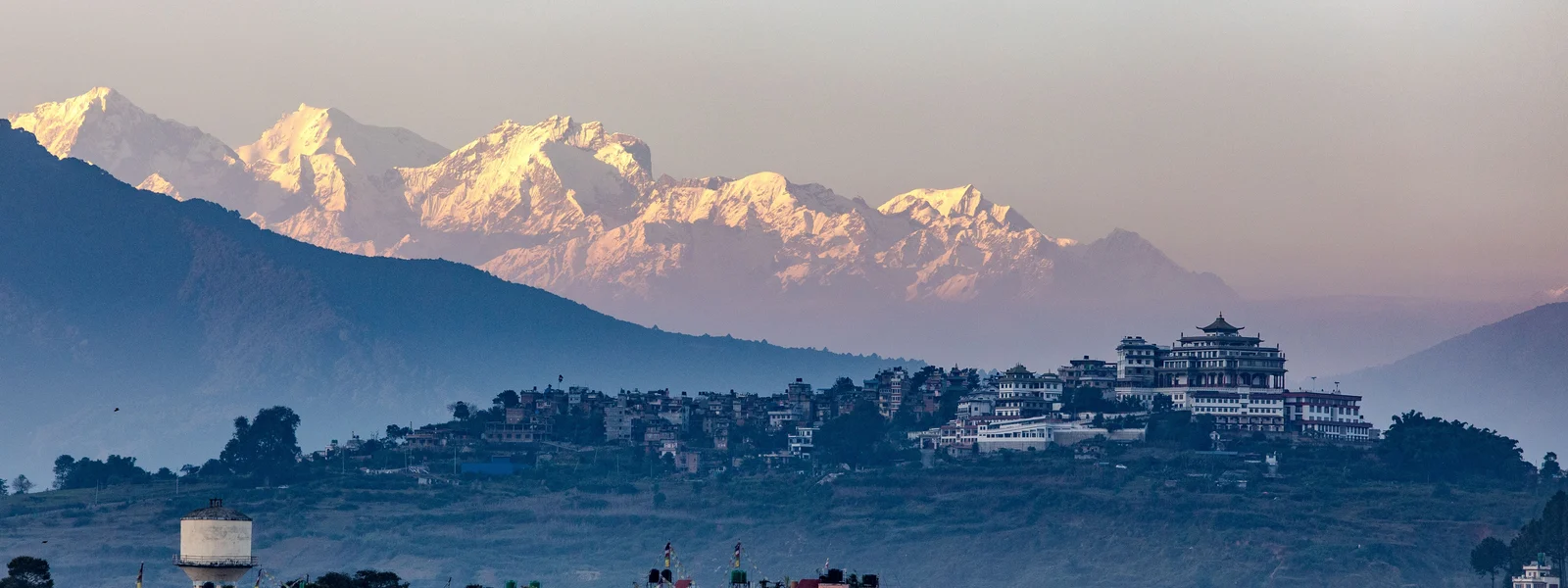
Kathmandu is not the obvious choice when experienced digital nomads discuss their base options in Asia. The conversation typically gravitates toward Chiang Mai, Canggu, or Tbilisi before Nepal enters the frame. But a growing community of location-independent workers has discovered that Kathmandu offers a compelling combination of low living costs, cultural richness, a growing coworking infrastructure, and proximity to some of the most dramatic natural landscapes accessible from any urban base in the world. The Friday afternoon decision to spend a weekend trekking in Langtang rather than in a city apartment is uniquely available to Kathmandu-based nomads, and it is a quality-of-life differentiator that no European or Southeast Asian hub can replicate. This guide addresses the practical connectivity infrastructure that makes Kathmandu viable as a working base, and the eSIM strategy that supports both the city work sessions and the mountain escapes that make the base worthwhile.
Internet Infrastructure in Kathmandu
Kathmandu's fixed internet infrastructure has improved substantially over the past five years, driven by both commercial investment and development organisation demand from the large NGO and aid sector present in the city. Fibre broadband is available across most of the main residential and commercial areas, with providers including Vianet, Subisu, and WorldLink offering residential packages with speeds of 25 to 100 Mbps at costs significantly below equivalent speeds in Western cities. Coworking spaces and mid-range hotels typically connect on business-grade fibre with higher reliability and speed guarantees than residential connections provide.
The Ncell 4G network supplements fixed connectivity effectively across the city, with urban speeds of 20 to 45 Mbps providing a viable work connection for the commute between coworking spaces and cafes, and for the days when a nomad works from locations outside the coworking infrastructure. Power cuts, known locally as load shedding, were once a significant infrastructure challenge in Kathmandu but have reduced dramatically since the completion of major hydroelectric projects. Occasional brief outages still occur, and a power bank or UPS (uninterruptible power supply) for laptop work is standard equipment for Kathmandu-based nomads rather than an unusual precaution.
Coworking Spaces in Kathmandu
Kathmandu's coworking scene is modest but functional and growing. The Hub Kathmandu in the Baluwatar area, near the northern embassy district, is the most internationally oriented space with English-speaking staff, fast fibre WiFi, meeting rooms, and a community that mixes Nepali entrepreneurs with international remote workers. Day passes typically cost NPR 800 to 1,500 (approximately USD 6 to 11), with monthly memberships at NPR 8,000 to 20,000 (USD 60 to 150). Thamel also has several coworking-adjacent cafes where laptop working is normalised and WiFi is adequate for most remote work tasks, though without the dedicated infrastructure and community of a formal coworking space. The British Council in Kantipath offers library facilities that some nomads use for focused work sessions in a quiet environment.
Beyond formal coworking spaces, Kathmandu's Jhamsikhel district in Patan has evolved into the city's best cafe-working zone. Multiple specialty coffee shops with fast WiFi, ergonomic seating, and all-day power access provide an informal coworking environment with better coffee quality than most dedicated coworking spaces. The neighbourhood's expat and development worker community creates a social environment where laptop working in cafes is entirely normalised, and the street-level buzz of a functioning Nepali neighbourhood provides a more engaging backdrop than a generic coworking office aesthetic.
eSIM Strategy for Kathmandu Nomads
The optimal eSIM strategy for a Kathmandu nomad stay treats mobile data as supplementary to fixed connections rather than as a primary work resource. A 20GB monthly plan provides comfortable coverage for the commute between accommodation and coworking, cafe working sessions on venues with mediocre WiFi, video calls when a more private connection than shared coworking WiFi provides is needed, and weekend trekking excursions where mobile data returns to being the primary or only connectivity option. At the typical Kathmandu coworking WiFi quality, mobile data supplements rather than substitutes for fixed connections throughout the working week.
| Nomad Work Pattern | Primary Connection | Mobile Data Role | Recommended Monthly Plan |
|---|---|---|---|
| Coworking-based (daily) | Coworking fibre | Commute and cafe work | 15-20GB |
| Hotel-based (mid-range) | Hotel fibre WiFi | Backup and movement | 10-15GB |
| Apartment-based (no fixed internet) | Mobile data primary | Full workday use | Unlimited or 40GB+ |
| Mixed KTM and trekking | Coworking plus trail | Primary on trek days | 20GB |
Video Call Quality in Kathmandu
Video call quality in Kathmandu on both fixed fibre and Ncell 4G is reliable for professional use. Zoom at 720p requires approximately 2.6 Mbps upload and download, which coworking fibre and hotel WiFi provide with significant margin, and which Ncell 4G in Thamel and Jhamsikhel provides consistently. The practical risk is WiFi congestion in busy cafe environments during lunch hours, where shared connections degrade below video call quality thresholds when multiple users attempt simultaneous calls. Using mobile 4G directly for calls that matter, bypassing potentially congested cafe WiFi, is the reliable approach. The Ncell 4G signal in central Kathmandu delivers consistent 20 to 45 Mbps that handles any video conferencing application at any quality setting without issue.
Living Costs for Kathmandu Nomads
The financial context for Kathmandu as a nomad base is attractive by any regional comparison. A comfortable private room in a Thamel or Jhamsikhel guesthouse costs USD 15 to 35 per night, with monthly rates negotiated down to USD 300 to 700 for a well-located room with breakfast. Apartment rentals in the Jhamsikhel or Lazimpat areas, preferable for stays of a month or more, cost USD 400 to 900 per month for a one-bedroom in a neighbourhood appropriate for international professionals. Food costs are dramatically lower than comparable Asian capitals, with dal bhat set meals at NPR 150 to 300 (USD 1 to 2.25) and cafe meals at USD 4 to 10. Monthly total living costs for a comfortable Kathmandu nomad lifestyle run USD 800 to 1,500 including accommodation, food, coworking, and connectivity, making it one of the more affordable combinations of cost and quality available in Asia.
Trekking from the Kathmandu Base
The defining advantage of Kathmandu as a nomad base versus competing destinations is the trekking access. Langtang Valley, a beautiful trekking area north of the city, is accessible for a weekend circuit from Friday afternoon to Sunday evening without disrupting the working week. The Shivapuri National Park adjacent to the city offers day hiking at altitudes above 2,700 metres within an hour of Thamel. The Helambu circuit, one of Nepal's easier multi-day treks, begins in the Kathmandu Valley itself. These options provide the mountain access that distinguishes the Kathmandu nomad experience from any urban base elsewhere in Asia, and the eSIM that serves the city connectivity serves the trail connectivity on these excursions as well, since Langtang and Helambu both have Ncell coverage along their lower sections.
Banking and Financial Access for Kathmandu Nomads
Financial logistics for a Kathmandu nomad stay are manageable with appropriate preparation. ATMs from major Nepali banks including NIC Asia, Nabil Bank, and Standard Chartered are distributed throughout Thamel, Patan, and Lazimpat, accepting international Visa and Mastercard with withdrawal limits typically of NPR 20,000 to 40,000 per transaction (approximately USD 150 to 300). Foreign card fees apply, and the Wise multi-currency card consistently provides the best NPR exchange rate with the lowest per-transaction fees among the commonly used options. Cash in Nepali Rupees is required for most transactions outside major tourist businesses, local transport, and street food, so ATM access is genuinely necessary rather than just a backup option.
For income receipt and international transfers, maintaining a home-country bank account with international wire capability and using Wise or similar services for NPR conversion is the standard approach. Stripe and PayPal function for client billing in USD, EUR, or GBP, with funds transferred to Wise for NPR conversion at the point of ATM withdrawal. The Kathmandu WiFi and Ncell 4G connectivity needed to manage these financial tools is reliably available across the city, and banking app authentication via push notification rather than SMS is strongly recommended to reduce dependence on a local phone number for security confirmation.
Health Insurance and Medical Connectivity
International health insurance for Nepal nomads should include evacuation coverage, as serious medical events can require helicopter transfer from trekking areas to Kathmandu and potentially medical evacuation to Bangkok or Delhi for specialised treatment. CIWEC Travel Medicine Center in Lazimpat is the primary facility for travel-related illness consultation and can be reached via WhatsApp for appointment scheduling. Having both the clinic contact and the insurance emergency line saved locally in the phone, accessible without internet lookup, is part of sensible health preparation for any extended Nepal stay. Travel medicine consultations before departure, including altitude sickness medication advice if weekend trekking is planned, are available at CIWEC or equivalent facilities in your home country and are worth completing before the Nepal trip rather than after altitude symptoms arise.
Community and Social Life for Kathmandu Nomads
The expatriate and digital nomad community in Kathmandu is smaller than in Chiang Mai or Bali but tight-knit and welcoming. The Kathmandu Expats Facebook group serves as the primary community hub for housing listings, local recommendations, event coordination, and the informal information sharing that makes navigating a new city faster. The group is searchable and responsive, and posting questions about apartment availability, internet provider recommendations, or coworking space experiences receives replies from residents with current direct knowledge. Beyond Facebook, the Meetup groups active in Kathmandu include language exchanges, hiking clubs, and professional networking events that provide social connection opportunities for nomads who find the relatively small community more personally navigable than the anonymous nomad scenes of larger hubs. The social context makes the Kathmandu nomad experience more relational and less transient than many Southeast Asian alternatives, a quality that some nomads find uniquely valuable and others find less stimulating than a larger and more diverse community scene.
Kathmandu as a Multi-Month Base: The Reality
The nomads who thrive in Kathmandu for three to six months develop a rhythm that balances focused work output with the authentic engagement that makes the location distinctive. The morning routine typically involves early work hours from accommodation before the Thamel noise level rises, transition to a Jhamsikhel cafe for the midday work session when the quieter neighbourhood environment supports concentration, and evening flexibility between social activities, restaurant exploration, and the occasional cultural event at one of Kathmandu's active arts venues including the Siddhartha Art Gallery and the Nepal Art Council. Weekend trekking to Langtang or Helambu provides the nature contrast that prevents urban routine from becoming monotonous. The combination of productive work environment, low cost, cultural richness, and mountain access is genuinely unique among Asian nomad destinations and rewards the traveller willing to look beyond the more established hubs for their base choice.
Get Your Nepal Nomad eSIM
Compare 20GB and monthly plans for Kathmandu nomad stays on Ncell network.
FAQ
Is internet reliable enough in Kathmandu for remote work?
Yes. Coworking spaces and mid-range hotels have fibre WiFi with speeds of 25 to 100 Mbps. Ncell 4G in the city provides 20 to 45 Mbps for supplementary mobile use. Video calls and cloud work present no issues.
How much mobile data do I need as a nomad in Kathmandu?
20GB per month is sufficient if coworking or hotel WiFi covers primary work sessions. If working from an apartment without fixed internet, plan for unlimited or 40GB to cover full workday mobile data use.
What coworking spaces are in Kathmandu?
The Hub Kathmandu in Baluwatar is the most internationally oriented, with day passes at USD 6 to 11 and monthly memberships at USD 60 to 150. Jhamsikhel cafes function as informal coworking with excellent WiFi.
Can I trek on weekends from a Kathmandu base?
Yes. Langtang Valley and Helambu are accessible for multi-day weekend circuits. Shivapuri National Park offers day hikes above 2,700m within an hour of the city centre.