How Much Data Kazakhstan
Kazakhstan data consumption follows a pattern that reflects the country's geographic and infrastructure character: high consumption during city days in Almaty and Astana where Yandex Taxi, Google Maps, social media, and restaurant research all run on excellent 4G, and very low consumption during mountain hikes, steppe drives, and remote canyon visits where offline preparation covers the navigation needs and signal is absent for much of the experience. A ten-day Kazakhstan circuit combining Almaty, a mountain day trip, Charyn Canyon, and Astana will consume most of its data during the city days, with the outdoor natural experiences adding relatively little to the total.
City Data: Almaty and Astana
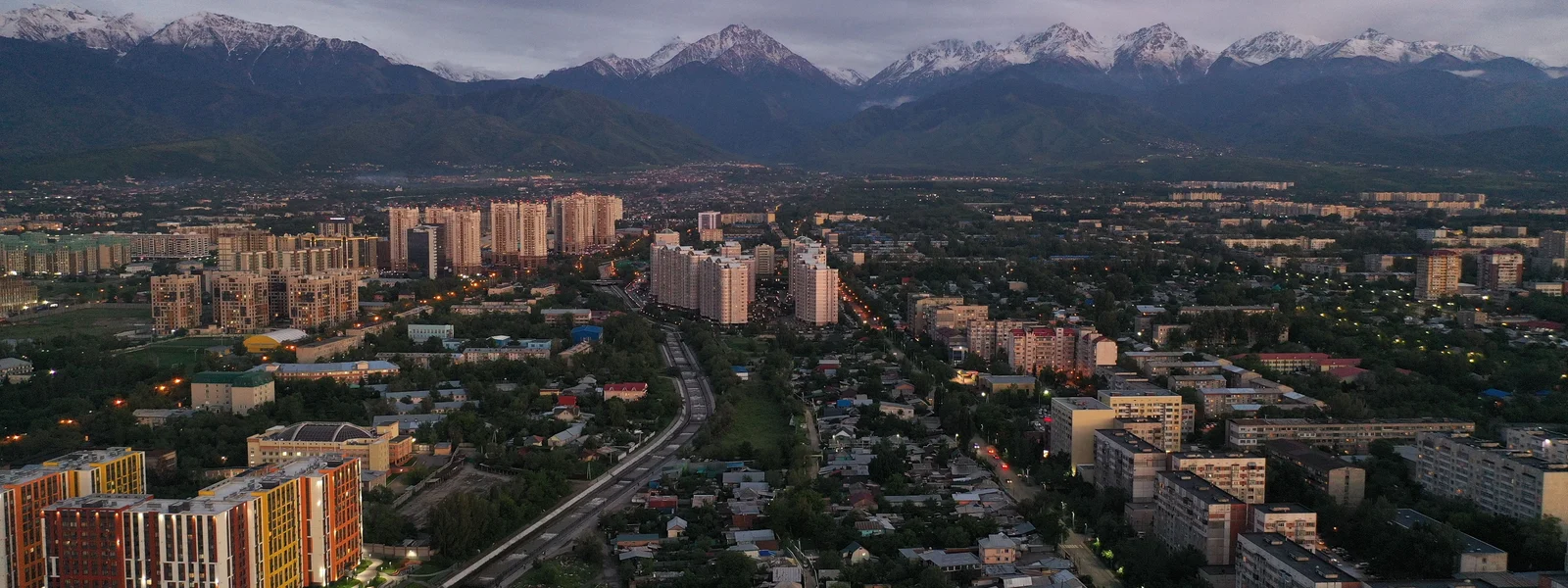
Almaty is Kazakhstan's most data-intensive city for tourists, combining the navigation complexity of a large post-Soviet city whose street grid is expansive and not always intuitive, the Yandex Taxi bookings that are the primary transport mode for international visitors, the Instagram documentation of the Tian Shan mountain backdrop that makes Almaty one of the most photogenic Central Asian cities, and the restaurant and attraction research that the city's growing culinary and cultural scene rewards. A full Almaty city day consumes 500MB to 1.2GB depending on social media habits and photography sharing intensity. Four Almaty city days contribute 2 to 5GB to the trip data budget.
Astana's data consumption pattern differs from Almaty's: the planned Left Bank architecture is more immediately legible than Almaty's organic street plan, reducing navigation data consumption, but the architectural photography documentation, the EXPO site visits, and the Yandex Taxi use throughout the city's sprawling modern districts produce similar daily totals of 400MB to 1GB per Astana city day.
| Activity | Data Per Day / Session | Kazakhstan Note |
|---|---|---|
| Yandex Taxi (per trip) | 5-15 MB | Primary transport; 3-5 trips typical per city day |
| Google Maps navigation (per hour) | 15-25 MB | Lower than Lahore; Almaty grid more navigable |
| WhatsApp messaging (per day) | 50-100 MB | Primary communication tool |
| Shymbulak ski/hike day | 100-300 MB | Beeline 4G at base; offline above |
| Charyn Canyon day trip | 100-250 MB | Drive has variable signal; canyon itself variable |
| Big Almaty Lake hike | 50-150 MB | Offline above access road; minimal consumption |
| Steppe/train section | 30-100 MB | Mostly offline; signal only in towns |
| Instagram with autoplay (per hour) | 150-300 MB | Disable autoplay to reduce city consumption |
Mountain Day Trips: The Low-Consumption Pattern
The mountain day trips from Almaty that are the highlights of the city's tourism offering, including Shymbulak ski resort, Big Almaty Lake, the Kok Zhailau alpine meadow hike, and the Butakovsky Gorge, all follow the same data consumption pattern: modest Beeline 4G during the approach drive from Almaty, weakening signal above the lower valley areas, and effectively offline above approximately 2,000 to 2,500 metres altitude. A Shymbulak day trip from Almaty, including the gondola ride to the ski area and hiking in the alpine zone above, generates 100 to 300MB of eSIM data: Yandex Taxi to the gondola base, navigation on the lower approach roads, and brief connectivity windows at the gondola base station where Beeline 4G is present. The offline hours above are the majority of the mountain day experience, and the offline maps downloaded from Almaty hotel WiFi cover all trail navigation needed.
Charyn Canyon Data Consumption
Charyn Canyon, approximately 200 kilometres east of Almaty on the road toward the Kyrgyzstan border, is Kazakhstan's most dramatic natural landmark outside the alpine zone. The drive from Almaty takes 2.5 to 3 hours, with Beeline 3G to 4G present for most of the highway section and weakening on the canyon access roads. The canyon itself has improving Beeline coverage in 2026 but signal remains variable within the gorge system, particularly in the Valley of Castles section where the dramatic red rock formations create a topography that blocks signal propagation. A Charyn Canyon day trip generates 100 to 250MB: navigation during the highway drive, brief social media sharing at viewpoints with signal, and offline navigation within the canyon using the pre-downloaded Maps.me pack. Total data for the day is low relative to a city day, making Charyn Canyon an efficient data use despite being one of the trip's most memorable experiences.
Plan Size Recommendations for Kazakhstan
| Trip Type | Duration | Recommended Plan | Primary Drivers |
|---|---|---|---|
| Almaty city only | 4-5 days | 3-5GB | Yandex Taxi, navigation, social media |
| Almaty + mountains + Charyn | 7-10 days | 5-7GB | City days dominant; mountain days low |
| Almaty + Astana circuit | 10-14 days | 7-10GB | Two city bases; moderate mountain days |
| Full Kazakhstan circuit | 14-21 days | 10-15GB | Multiple cities; steppe offline sections |
| Digital nomad (Almaty/Astana) | 30+ days | 20GB+ | Video conferencing, cloud work, daily streaming |
Photography and Data in Kazakhstan
Kazakhstan generates significant photography volumes for a country that remains relatively undervisited compared to its regional peers, because the combination of the Tian Shan mountain backdrop behind Almaty, the extraordinary red rock formations of Charyn Canyon, the futuristic architectural spectacle of Astana's Left Bank, and the nomadic cultural experiences available through eagle hunting demonstrations and yurt stays all produce imagery that resonates strongly on social platforms. A serious Kazakhstan photographer over a ten-day circuit may accumulate 800 to 2,000 images, generating 5 to 15GB of local storage that requires WiFi-based cloud backup rather than mobile data upload. Setting Google Photos and iCloud to WiFi-only backup before departure for mountain and canyon day trips preserves eSIM data for navigation and communication while the photo archive builds for hotel WiFi backup each evening.
The Almaty to Astana Train: Data Planning for the Steppe
The Almaty to Astana train journey of 12 to 14 hours by standard service is one of Kazakhstan's most evocative travel experiences, traversing the Kazakh steppe in a landscape that becomes increasingly vast and open as the train moves away from the Tian Shan foothills. Connectivity on this route follows the steppe pattern: Beeline and Kcell 4G at the departure and arrival stations, 2G to 3G in the smaller station towns along the route, and genuinely offline in the deepest steppe sections between settlements. A music playlist downloaded to 3 to 4GB from Almaty hotel WiFi, a downloaded podcast library, and an offline Netflix queue provide the entertainment infrastructure for the steppe hours without any eSIM data consumption during the offline sections. The city WiFi on either end of the journey handles all navigation, social media, and communication needs. Total eSIM data from the train journey itself: 100 to 300MB, primarily from the brief connectivity windows at station stops.
Photography Data Management for Kazakhstan
Kazakhstan produces high photography volumes for a relatively compact standard tourist circuit. The Tian Shan mountain backdrop behind Almaty, Charyn Canyon's red rock formations, Astana's futuristic architecture, and the Big Almaty Lake's turquoise colour in the mountain cirque collectively generate the photography that has driven Kazakhstan's growing Instagram presence as a travel destination. A serious Kazakhstan circuit photographer may accumulate 800 to 2,500 images over a 10 to 14 day trip. Set Google Photos and iCloud to WiFi-only backup before any mountain or canyon day trip, then allow the complete backup session from Almaty or Astana hotel WiFi each evening. This management approach eliminates the risk of an uncontrolled sync event consuming multiple gigabytes of eSIM data when Beeline connectivity resumes after an offline mountain day.
Real-Time Data Uses Unique to Kazakhstan
Several data use cases in Kazakhstan are specific to the country's travel environment and worth accounting for in the data budget. Checking current weather for mountain activities from Almaty, where the Tian Shan forecast determines whether a planned Shymbulak day is hikeable or snow-closed, consumes 5 to 10MB per forecast check from weather apps and is conducted multiple times the evening before and morning of mountain day trips. Currency conversion from KZT to home currency, for understanding market prices and restaurant bills in the Kazakhstani tenge that most smaller establishments display exclusively, requires a brief data connection for each conversion from a currency app. Checking Google Maps real-time traffic for Almaty city routes, where rush hour congestion on the main arteries can significantly affect Yandex Taxi journey times, is a legitimate navigation data use that adds 10 to 20MB per city navigation session. These Kazakhstan-specific data uses accumulate modestly but are worth including in the daily city data estimate that anchors the Kazakhstan plan size calculation.
Accommodation booking and modification during Kazakhstan travel, where flexible mountain itineraries may require last-minute booking changes as weather conditions develop, uses 20 to 50MB per booking session on Booking.com or the direct WhatsApp channel with smaller guesthouses and yurt camp operators. The WhatsApp-based booking infrastructure for rural Kazakhstani accommodation, particularly the yurt camps in the Burabay lake district and the mountain area guesthouses around Shymbulak, requires only basic 3G connectivity to function, making accommodation coordination possible even from the mountain signal zones where full 4G is not consistently available.
Kazakhstan Data Budget: The Final Calculation
The Kazakhstan data budget consolidates simply: size for the city days, treat mountain and steppe days as low-consumption bonuses, and a 5 to 7GB Beeline plan covers the standard 10-day Almaty plus Astana circuit without rationing anxiety. City days at 500MB to 1GB each are the primary consumption driver, with four to five Almaty days and three Astana days accounting for the majority of plan usage. Mountain day trips add 100 to 300MB each. The Almaty to Astana transit adds 100 to 300MB depending on flight (offline) or train (mostly offline). Total for a 10-day circuit with moderate social media: 4 to 6GB. A 7GB plan provides comfortable headroom. Digital nomads extending the stay to a month with video conferencing and cloud work should plan for 15 to 20GB. The data calculation for Kazakhstan is straightforward compared to multi-terrain countries with more complex offline patterns, and the predictable urban-high, mountain-low consumption structure makes plan sizing a simple exercise in counting city days and multiplying by 700MB average.
Burabay and the Northern Circuit Data
Burabay National Park, also known as Borovoe, is Kazakhstan's most visited domestic resort destination, a lake and pine forest landscape 240 kilometres north of Astana that draws Kazakhstani families and domestic tourists throughout the summer season. International visitors occasionally extend their Astana stay with a Burabay day trip or overnight. Beeline and Kcell 4G are adequate throughout the Burabay resort area, with the main lake viewpoints and the Zhumbaktas rock formations well-covered for navigation and photography sharing. Data consumption at Burabay follows the resort pattern: 200 to 500MB for a day visit including navigation, photography, and social media posting of the pine-lake-mountain landscape. The drive from Astana has Beeline coverage through the agricultural flatlands with the standard steppe offline sections in the uninhabited stretches. Download offline navigation for the Burabay resort area and the Astana to Borovoe highway before departing Astana, ensuring route confirmation for both the outbound and return journeys without live signal dependency in the flat steppe sections of the drive.
The Kazakhstan data budget is one of the most straightforward in Central Asia to calculate: count the city days, multiply by 700MB, add 200MB for each mountain or canyon day trip, and size the plan to the resulting total with a 20 percent buffer, producing a plan that serves the full circuit without the rationing that an undersized plan creates or the cost waste that a dramatically oversized plan involves. Kazakhstan's data consumption profile, with city days as the primary driver and mountain and steppe days as low-consumption additions to the total, makes plan sizing a simple calculation that a 7GB Beeline plan resolves for the standard 10-day circuit without rationing, leaving adequate headroom for the photography backup, weather monitoring, and occasional mountain connectivity that round out the Kazakhstan data picture.Kazakhstan's connectivity infrastructure in 2026 provides the digital foundation for one of the most rewarding and undervisited travel destinations in the world, and visitors who arrive with a Beeline eSIM.Get Your Kazakhstan eSIM
Compare Beeline-based Kazakhstan plans for Almaty, Astana, and mountain travel.
FAQ
How much data and what kind of plan do travelers need in Kazakhstan?
The Almaty to Astana train journey of 12 to 14 hours by standard service is one of Kazakhstan's most evocative travel experiences, traversing the Kazakh steppe in a landscape that becomes increasingly vast and open as the train moves away from the Tian Shan foothills. Connectivity on this route follows the steppe pattern: Beeline and Kcell 4G at the departure and arrival stations, 2G to 3G in the smaller station towns along the route, and genuinely offline in the deepest steppe sections between settlements.
What should travelers prepare before entering low-coverage areas in Kazakhstan?
The mountain day trips from Almaty that are the highlights of the city's tourism offering, including Shymbulak ski resort, Big Almaty Lake, the Kok Zhailau alpine meadow hike, and the Butakovsky Gorge, all follow the same data consumption pattern: modest Beeline 4G during the approach drive from Almaty, weakening signal above the lower valley areas, and effectively offline above approximately 2,000 to 2,500 metres altitude.
What is the best network for Kazakhstan travel?
Beeline for mountain and outdoor travel around Almaty. Kcell or Beeline for city visits to Almaty and Astana. Tele2 leads on urban speed but is less available as a travel eSIM network partner.