Digital Nomad in Mongolia 2026: Working Remotely from Ulaanbaatar
Ulaanbaatar is not the first city that comes to mind when digital nomads discuss their Asian base options. Chiang Mai, Bali, Lisbon, and Tbilisi dominate those conversations for reasons of established infrastructure, community density, and year-round mild climate. But Mongolia's capital occupies an increasingly interesting niche for nomads who value solitude, dramatic landscapes within an hour of their desk, and a genuinely different cultural environment from the well-worn Southeast Asian circuit. A modest but growing cohort of remote workers have been quietly using Ulaanbaatar as a base for one to three month stints, drawn by a cost of living that is lower than most East Asian capitals, a relatively straightforward visa situation for many nationalities, and a city that offers more than enough for a productive, interesting life while you work. This guide is for that audience: remote workers and location-independent professionals considering Mongolia as a working base rather than a tourist destination.
Internet Infrastructure in Ulaanbaatar
Ulaanbaatar's fixed internet infrastructure is considerably stronger than the city's developing-world reputation might suggest. Fibre connections are available across most of the city, and coworking spaces, hotels in the mid-range and above tiers, and the majority of the city's cafes and restaurants offer WiFi that is adequate or excellent for remote work. The dominant fixed broadband providers are Mobicom, Univision, and Skytel, all of which offer residential and commercial fibre at speeds that typically exceed 100 Mbps in covered areas. The city's relatively compact geography for a capital of its population size means fibre rollout has been more comprehensive than in larger, more sprawling Asian capitals.
Mobile data from both Unitel and MobiCom complements fixed infrastructure effectively. MobiCom's 4G in the central business district and Sukhbaatar district regularly measures 50 to 70 Mbps, making it a viable primary connection for a coworking day in a cafe that has mediocre WiFi. Unitel provides similar performance across the broader city. For nomads who want the flexibility to work from multiple locations without depending on each venue's WiFi quality, a 20GB or higher monthly mobile data plan gives comfortable coverage for a full working month supplementing fixed connections.
Coworking Spaces in Ulaanbaatar
The coworking scene in Ulaanbaatar is modest but functional. The Factory, located near Sukhbaatar Square in the city centre, is the most established coworking space, with reliable fibre WiFi, dedicated desks, meeting rooms, and a community of Mongolian entrepreneurs and international remote workers. Day passes typically run USD 10 to 15, with monthly memberships at USD 100 to 200 providing significant savings for extended stays. Start Hub, backed by international development organisations, focuses on startup and innovation workspace but accepts remote workers and offers a similar package. Several hotels including the Shangri-La and Tuushin Grand Hotel offer business centre facilities that function as informal coworking space for non-guests for a daily fee, typically USD 20 to 30 including food and beverage credit.
Cafe working is widespread in Ulaanbaatar, and the city has developed a genuine specialty coffee culture, particularly in the Korean-influenced cafe district around Baga Toiruu. Venues including Grand Khaan Irish Pub, numerous Korean chain cafes, and local specialty coffee shops provide consistent WiFi adequate for video calls and cloud work. The social norm of laptop working in cafes is established and accepted, and staff do not apply the aggressive turnover policies seen in some tourist-heavy Asian cafe cities. An afternoon spent working from one of the city's better cafes is a genuinely pleasant experience, particularly in summer when the city has long daylight hours and a relatively mild urban climate.
Recommended eSIM Strategy for UB Nomads
For a full month's remote work in Ulaanbaatar, the right eSIM strategy treats mobile data as a supplementary connection rather than a primary one. Your primary work connection should be the coworking space or hotel fibre WiFi. Mobile data fills the gaps: commuting between locations, working from a cafe whose WiFi is overloaded, video calls when you want privacy from a shared space, and the period between checking out of one accommodation and into another. With this usage model, 20GB per month provides comfortable headroom. Heavy video conferencing days will consume 1.5 to 2GB, but most working days on fibre WiFi will consume under 200MB of mobile data. A 20GB plan also provides a genuine backup connection if your primary WiFi fails, which in any city occasionally happens.
| Nomad Scenario | Primary Connection | Mobile Data Role | Recommended Plan |
|---|---|---|---|
| Hotel-based (mid-range+) | Hotel fibre WiFi | Backup and commute | 10-15GB / month |
| Coworking-based | Coworking fibre WiFi | Commute and cafe days | 15-20GB / month |
| Apartment-based (no fixed internet) | Mobile data primary | Full workday use | 40GB+ or unlimited |
| Mixed UB + steppe excursions | UB WiFi + mobile | Active on travel days | 20GB / month |
Accommodation for Nomads in Ulaanbaatar
Ulaanbaatar's accommodation options for month-long stays range from guesthouses at USD 15 to 30 per night to serviced apartments at USD 40 to 100 per month for a comfortable one-bedroom in a central neighbourhood. The Sukhbaatar district is the most convenient for a working nomad, with the highest density of cafes, restaurants, coworking options, and public transport connections. The Zaisan neighbourhood, slightly south of centre, offers a quieter residential character with good public transport into the CBD and is popular with the expatriate community. For stays of a month or more, negotiating an apartment rental through local channels or Facebook groups for Ulaanbaatar expats typically produces better rates than booking through international platforms.
Fixed internet in apartments varies significantly by building and neighbourhood. Soviet-era apartment buildings often have only one or two ISP options with variable reliability, while newer residential developments and commercial buildings typically offer multiple providers and more reliable connections. If your work depends on stable internet, confirm the building's connectivity situation before signing any rental commitment and test the connection quality during a trial visit rather than relying on the landlord's description. Installing a local Unitel or MobiCom SIM with a high-data monthly plan as a backup connection for an apartment workspace is strongly recommended for any month where your work income depends on consistent connectivity.
Combining Work and Exploration: The Mongolia Nomad Rhythm
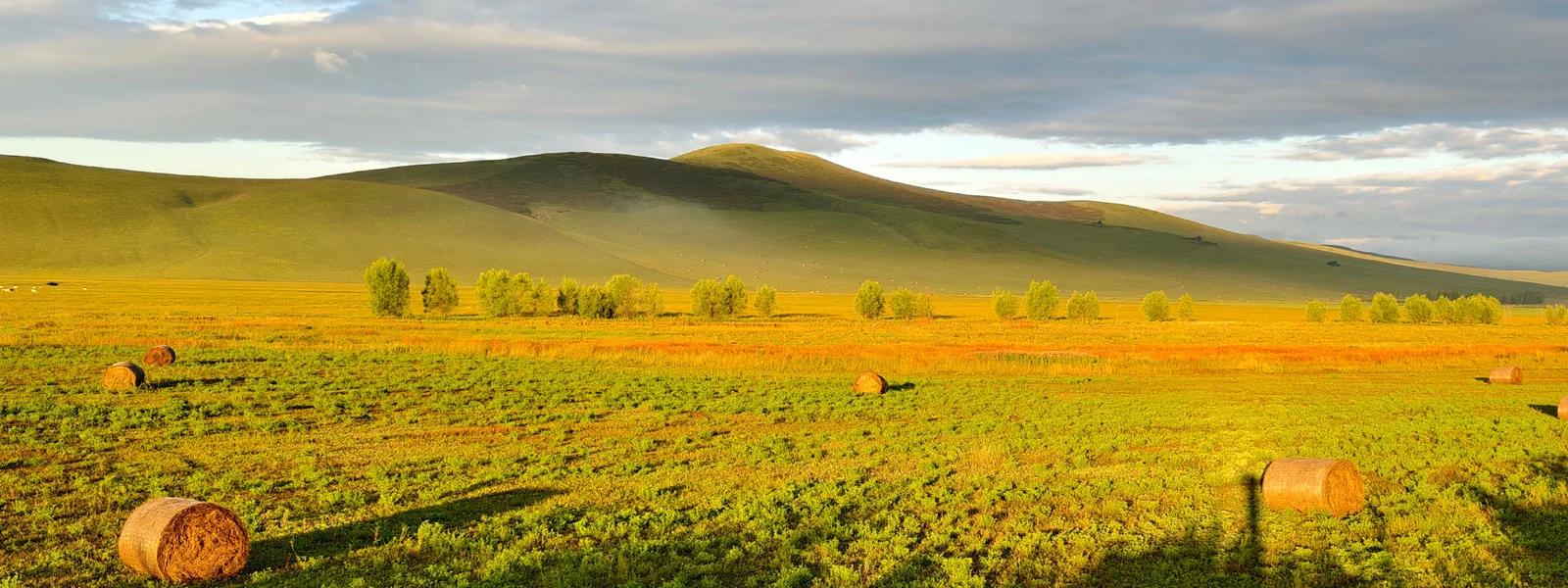
The genuine appeal of Ulaanbaatar as a nomad base lies in what exists outside the city. Terelj National Park, with its dramatic granite landscapes, river valleys, and ger camp accommodation, is less than ninety minutes from the city centre by road. On a Friday afternoon flight of initiative, you can be riding a horse across a valley floor and watching the sun set behind the Gorkhi mountains before returning to the city for Monday morning's video calls. The Khustai National Park, home to the returning Przewalski's horse herds, is two hours west. These escapes are unique among major Asian nomad bases and reward the occasional week of unconventional productivity from a ger with satellite WiFi and a view.
Video Call Quality Expectations in Mongolia
Video call quality in Ulaanbaatar is reliably good on both fixed fibre connections at coworking spaces and on mobile 4G data. Zoom calls at 720p, Google Meet, and Microsoft Teams all perform without meaningful quality issues when you have a solid connection. The main risk factor is WiFi congestion in busy cafe environments, where shared connections can degrade during lunch hours when multiple users run simultaneous video calls. For calls that matter, use a coworking space with dedicated bandwidth or connect via mobile 4G directly rather than cafe WiFi. The MobiCom 4G signal in the Sukhbaatar district delivers consistent 50 to 65 Mbps, which is more than adequate for any video conferencing application at any quality setting.
Banking and Financial Access for Mongolia Nomads
Financial logistics for a Mongolia nomad stay deserve specific attention because the country's banking system is less internationally integrated than major Southeast Asian nomad hubs. ATMs in Ulaanbaatar accept Visa and Mastercard from foreign banks reliably, with Trade and Development Bank, Khan Bank, and XacBank all operating extensive ATM networks throughout the capital. Withdrawal limits are typically MNT 500,000 to 1,500,000 per transaction (approximately USD 150 to 450), and foreign card fees apply at most machines. Cash in Mongolian Tugrik is still required for many transactions outside the capital, including provincial market purchases, ger camp payments, and small transport fees, so arriving with sufficient cash before leaving Ulaanbaatar is important.
Online payment infrastructure is developing. Stripe-processed international card payments work at most tourist-facing businesses in Ulaanbaatar and at an increasing number of restaurants and shops. International transfers and payments to Mongolian accounts require awareness of correspondent banking relationships and typically involve intermediary fees. For nomads receiving income in foreign currencies, maintaining a home-country bank account and transferring to a Wise or Revolut account for Mongolian ATM withdrawals generally produces the best exchange rates with the lowest fees. Wise in particular has competitive MNT exchange rates and low withdrawal fees at Mongolian ATMs compared to direct foreign card use.
Health and Emergency Connectivity
Mobile connectivity intersects with health and safety in meaningful ways for Mongolia nomads, particularly those spending time outside the capital. The SOS International clinic in Ulaanbaatar provides international-standard medical care and is the primary facility for serious health events among expatriates and travellers. Their emergency number should be saved locally before any excursion outside the city. For medical emergencies in the Gobi or rural areas, evacuation coordination requires either satellite communication or reaching a town with mobile signal to call for assistance. This reinforces the importance of the offline communication preparation protocol before each provincial leg: the contacts you save locally before losing signal are the contacts that matter in an emergency, not the ones accessible only through an internet search.
Building a Mongolia Nomad Routine
The nomads who thrive in Ulaanbaatar for extended periods tend to establish a consistent daily structure that balances work output with the exploration that makes the location worthwhile. A typical productive day involves morning work from the apartment or a quiet cafe before the lunch crowd arrives, afternoon transition to a coworking space for video calls and collaborative work during the overlap with European or North American business hours, and late afternoon or early evening free for exploration, language learning, or the city's growing collection of restaurants and cultural venues. Weekend escapes to Terelj or Khustai provide the geographical contrast that prevents the urban routine from becoming monotonous. This rhythm, supported by reliable mobile connectivity for the commuting and between-location segments, makes Ulaanbaatar function as a surprisingly effective nomad base despite its unconventional reputation.
Language and Cultural Integration for Long Stays
Mongolian is a genuinely challenging language for speakers of European languages, using Cyrillic script with sounds and grammatical structures that have no close equivalent in Western linguistic families. For nomads staying one to three months, investing in even basic Mongolian phrases , greetings, thank you, numbers, directions , produces disproportionate goodwill with local residents and makes daily interactions more pleasant. Several apps including Duolingo cover Mongolian at a basic level, and the Mongolian English Dictionary app is useful for reading signs and menus. Most younger Mongolians in Ulaanbaatar speak some English, particularly those working in cafes, coworking spaces, and tourism-adjacent businesses, so language is rarely a practical barrier for daily functioning. The effort of attempting Mongolian is nonetheless culturally appreciated in a way that mirrors similar dynamics in Japan or Korea.
Get Your Mongolia Nomad eSIM
Browse 20GB and unlimited plans for extended Ulaanbaatar stays with reliable Unitel and MobiCom connectivity.
FAQ
Is internet fast enough in Ulaanbaatar for remote work?
Yes. Coworking spaces and mid-range hotels have fibre WiFi with speeds exceeding 100 Mbps. MobiCom 4G in the city centre measures 50 to 70 Mbps for supplementary mobile use. Video conferencing and cloud work present no issues.
How much mobile data do I need as a nomad in Ulaanbaatar?
20GB per month works well if you use coworking or hotel WiFi as your primary connection. If you plan to rely on mobile data as your sole work connection in an apartment, consider unlimited plans.
Are there good coworking spaces in Ulaanbaatar?
Yes. The Factory near Sukhbaatar Square is the most established, with day passes around USD 10 to 15 and monthly memberships at USD 100 to 200. Start Hub is a strong secondary option.
What visa do I need for a long nomad stay in Mongolia?
Many nationalities including US and EU passport holders qualify for 30 to 90 day visa-free stays. Check current requirements for your specific passport, as allowances vary and can change.