eSIM for Busan and Jeju Island 2026
Busan and Jeju are South Korea's two most popular destinations after Seoul, and both have excellent mobile coverage - though with distinct connectivity characters. Busan is an urban port city with the same network density as Seoul. Jeju is an island with full 4G coverage and growing 5G in main towns, with a few specific dead zones on hiking trails that are worth knowing about before you go.
Busan: connectivity in South Korea's second city
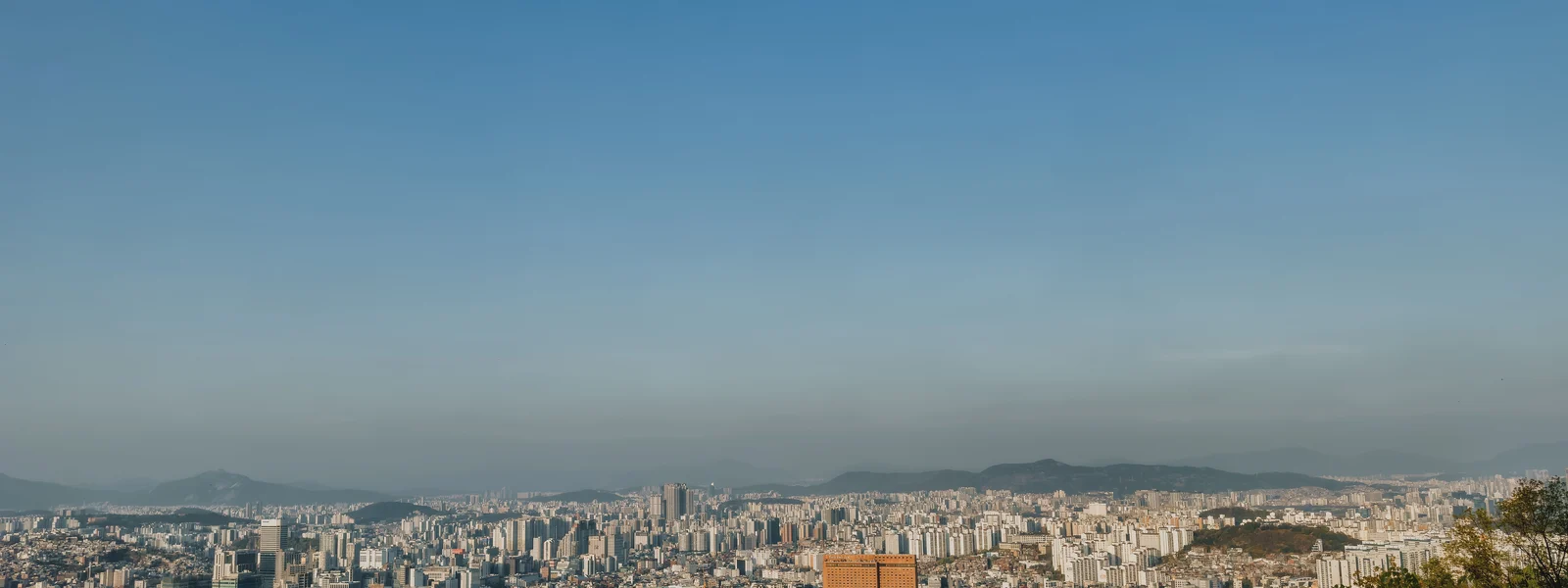
Busan is a compact city of 3.4 million with an excellent mobile network. All three Korean operators - SKT, KT, and LG U+ - have dense coverage throughout the city. 5G is available across all main districts. For a traveler, Busan's connectivity is effectively identical to Seoul in quality, with the additional character of strong signal even at the beach.
| Area | 4G | 5G | Notes |
|---|---|---|---|
| Haeundae Beach | Full coverage | Strong | Beach area fully covered including the water's edge |
| Gamcheon Culture Village | Full coverage | Good | Hillside location, coverage strong throughout |
| Gwangalli Beach | Full coverage | Strong | Great Gwangan Bridge views; full signal on the beach |
| Jagalchi Market | Full coverage | Good | Indoor market areas well covered |
| Busan Station / KTX terminal | Excellent | Dense | Major transit hub with full carrier presence |
| Taejongdae cliffs | Good | Partial | Coastal path covered; viewpoint areas good signal |
Busan Metro's 4 lines have in-tunnel mobile coverage on most sections, similar to Seoul but less extensive for in-tunnel 5G. The surface sections and all stations have full 4G and 5G signal. For navigation and messaging during your commute, coverage is consistent and reliable throughout the network.
Getting from Seoul to Busan: connectivity on the KTX
The KTX high-speed train from Seoul Station to Busan takes about 2 hours 40 minutes. Mobile coverage along the route is strong but not perfect - mountain tunnels cause brief signal drops on the central sections of the route.
| Segment | Coverage | Typical experience |
|---|---|---|
| Seoul to Cheonan-Asan | Strong 4G / 5G | Flat terrain, consistent signal. Good for video calls at this stage. |
| Cheonan to Daejeon | 4G with some gaps | First mountain tunnels appear. Brief 15-30 second drops. |
| Daejeon to Daegu | 4G with periodic gaps | Most tunnels on this segment. Streaming audio fine; video calls fragile. |
| Daegu to Busan | Strong 4G / 5G | Urban approach, good signal from Daegu outskirts into Busan. |
Jeju Island: full island coverage with specific exceptions
Jeju Island has comprehensive 4G coverage across the whole island and 5G in Jeju City and Seogwipo. The island's compact size - about 73 km east to west - means all three carriers maintain full coverage even in agricultural inland areas. The exceptions are specific hiking situations on Hallasan, South Korea's highest peak.
| Area | 4G | 5G | Notes |
|---|---|---|---|
| Jeju City (north coast) | Full coverage | Strong | Jeju International Airport has 5G; connects immediately on landing |
| Seogwipo (south coast) | Full coverage | Good | Cheonjiyeon Falls, Oedolgae Rock fully covered |
| Hallasan lower trails | Strong 4G | Partial | Trailheads and visitor centers well covered |
| Hallasan summit (1950m) | Weak or absent | No | Download offline maps before the hike - essential |
| East coast (Seongsan Ilchulbong) | Full coverage | Good | Sunrise Peak area fully covered including crater rim |
| West coast beaches | Full coverage | Partial | Hyeopjae and Gwakji beaches covered |
Hallasan's summit (Baekrokdam crater) sits at 1,950 meters and has limited or no mobile signal. The hike takes 4 to 9 hours depending on the trail. Download offline maps via Kakao Maps or Naver Maps before leaving Jeju City. The trail is well-marked, but offline maps are standard practice for anyone doing the full summit route. Do not rely on live navigation above 1,500 meters.
Getting to Jeju: air vs ferry connectivity
Most travelers fly from Seoul (Gimpo or Incheon) to Jeju - the flight takes about 55 minutes. Ferries run from Mokpo, Wando, and other south coast ports to Jeju, taking 2 to 12 hours depending on the route.
| Route | Duration | Mid-journey connectivity |
|---|---|---|
| Gimpo-Jeju flight | 55 min | Airplane mode required. eSIM connects immediately at Jeju Airport. |
| Mokpo-Jeju ferry | 4-5 hours | 4G near both coasts, signal gap in the middle of the crossing. |
| Wando-Jeju ferry | 2.5 hours | Similar pattern - good signal near shore, gap mid-crossing. |
How much data to budget for Busan + Jeju
- Busan 3 days: 6 to 8 GB for standard tourist use (navigation, Kakao T, social). Less if you use the subway exclusively and download maps offline.
- Jeju 3 to 4 days: 5 to 7 GB. Lower consumption per day than Busan or Seoul because driving (rental car) replaces frequent app-based navigation with a downloaded map.
- Seoul + Busan + Jeju (10 to 14 days): A 20 GB plan covers the full itinerary comfortably without rationing.
- Jeju specific tip: Rent a car if your budget allows. Jeju is poorly served by public transit. A rental car with a downloaded offline map uses almost no eSIM data during driving, reducing daily consumption significantly versus navigating on foot in a city.
Plans for South Korea
South Korea eSIM plans
Prices in USD. Instant QR activation. Pick your data, land connected.
FAQ
Is there mobile coverage at Haeundae Beach in Busan?
Yes. Haeundae and Gwangalli beaches have full 4G and 5G coverage including right at the waterline. Busan's network density is comparable to Seoul throughout the city.
Does eSIM work on Jeju Island?
Yes. Jeju has full island coverage on all three Korean carriers. 4G is available everywhere including rural and agricultural inland areas. 5G is available in Jeju City and Seogwipo. The only significant dead zone is near the Hallasan summit at 1,950 meters.
How do I get from Seoul to Busan or Jeju with an eSIM?
KTX from Seoul to Busan: 2h40, strong coverage with brief tunnel gaps. Flights from Gimpo or Incheon to Jeju: 55 minutes, airplane mode required, eSIM connects at Jeju Airport on landing. Flights are available every 15 to 30 minutes from Gimpo - it is one of the world's busiest air routes.
Do I need offline maps for Jeju?
For Hallasan hiking, yes - the summit area has limited signal. For general Jeju travel, offline maps are optional but useful if you are driving rental cars to remote beaches and inland villages where signal may be slower. Download via Kakao Maps or Naver Maps before leaving Jeju City.
Is a separate eSIM plan needed for Busan and Jeju?
No. A single South Korea eSIM works throughout the entire country, including Jeju Island. There are no regional restrictions within South Korea - the same plan covers Seoul, Busan, Jeju, and every other destination.