Hong Kong layover: eSIM guide 2026
HKIA is one of the world's best-connected airports. A 24-hour layover is a genuine opportunity to experience Hong Kong. Whether an eSIM is worth buying depends on how much you venture into the city.
Overview
HKIA is one of the world's best-connected airports. A 24-hour layover is a genuine opportunity to experience Hong Kong. Whether an eSIM is worth buying depends on how much you venture into the city. This guide covers the specific connectivity considerations for this part of a Hong Kong itinerary.
Key decisions
For most travelers, the carrier choice for Hong Kong is less important than the plan size and whether Macau or mainland China coverage is required. All four operators -- CMHK, 3HK, SmarTone, and csl -- deliver excellent 5G throughout Hong Kong's urban core. The practical differences emerge at the margins: tunnels (3HK leads), speed (CMHK leads), mainland access (CMHK leads), indoor coverage (SmarTone strong).
| Scenario | Recommendation | Reason |
|---|---|---|
| HK only, standard visit | Any operator, 5 GB plan | All operators excellent; 5 GB covers 4-5 days comfortably |
| HK + Macau | CMHK or 3HK tourist package | Better Macau data inclusion; verify before purchase |
| HK + mainland China | CMHK plan with China data | China Mobile domestic access for mainland portion |
| Short layover (under 6 hours) | HKIA free wifi | No eSIM needed for terminal transit |
Coverage and connectivity
Hong Kong's network coverage is uniformly excellent throughout the urban core. 5G availability on all four operators exceeds 90% of the territory's population. MTR coverage extends into tunnels and between stations. The Airport Express from HKIA to Central is covered throughout. The cross-harbour tunnels have 4G on all operators and 5G on 3HK. Outer islands and remote hiking trails are the only areas where coverage becomes variable -- main village areas are covered, open water and mountain ridges are not.
Data consumption guidance
Hong Kong's daily data consumption for tourists runs 1 to 2 GB -- lower than Manila, Delhi, or Mumbai because the Octopus card handles transit payment without apps, the city's compact geography reduces navigation intensity, and the extensive free wifi network (HKFREE, 7-Eleven, McDonald's, shopping malls) supplements eSIM data for static activities. A 5 GB plan covers a standard 4 to 5 day Hong Kong visit comfortably. A 10 GB plan covers a week with no monitoring required. The most common mistake is buying a plan sized for a Southeast Asian city visit when Hong Kong's specific consumption pattern requires less.
Practical tips
Install the eSIM before departure. Configure data routing before boarding the flight. The eSIM activates at HKIA within 60 seconds of landing. The Airport Express provides connected transit to the city center in 24 minutes. Octopus card from any MTR station handles all transit payment. OpenRice for restaurants, Citymapper or Google Maps for transit, Uber or traditional taxis for road transport -- all work reliably on any Hong Kong operator eSIM throughout the urban core.
HKIA connectivity: the airport as a fully covered environment
Hong Kong International Airport at Chek Lap Kok on Lantau Island is one of the best-connected airports in the world. All four operators have 5G coverage throughout Terminal 1 and Terminal 2 -- arrivals halls, departure gates, transit areas, the SkyCity mall adjacent to the terminal, and the airport hotel complexes. 3HK specifically extended 5G to HKIA as part of its 2025 transport hub rollout. Free wifi is available throughout the terminal from HKIA's own network, requiring brief registration but delivering adequate speeds for messaging and browsing. For transit passengers remaining in the terminal, the airport's own wifi handles connectivity needs without requiring a dedicated Hong Kong eSIM. For layover passengers who clear immigration to venture into the city, a travel eSIM provides the seamless city connectivity that the 24-hour layover experience deserves.
Is a Hong Kong eSIM worth it for your specific layover?
The answer depends on layover duration and whether you plan to leave the airport. Under 6 hours staying in terminal: HKIA free wifi is sufficient, no eSIM needed. 6 to 24 hours with a city venture: a 3 to 5 GB eSIM at $6 to $10 costs less than one day of US carrier roaming and provides full city connectivity for the entire layover. 24 to 48 hours: the eSIM is as justified as for any Hong Kong tourist visit, and the 48-hour experience rewards the planning investment of pre-installing the eSIM. The cost comparison for a 24-hour city layover is clear: one day of US carrier roaming at $10 versus a 5 GB HK eSIM at $8 to $12 for coverage that works before the US carrier daily pass would even be triggered.
The 24-hour Hong Kong circuit: what to see and where data helps
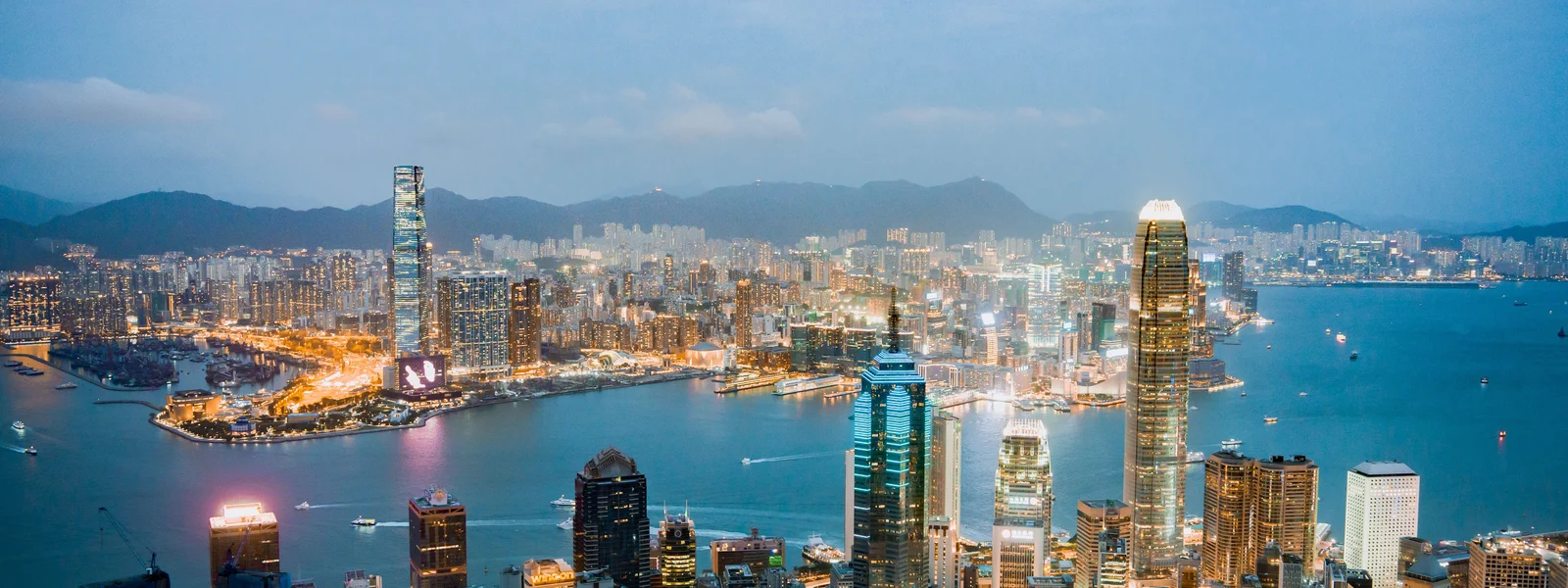
A 24-hour Hong Kong layover, efficiently executed, covers the city's defining experiences. Airport Express to Hong Kong Station (24 minutes, data active throughout). Star Ferry from Central Pier to Tsim Sha Tsui (8 minutes, data works throughout). TST promenade and Avenue of Stars for the harbour view -- 30 minutes of the world's most photographed urban panorama. MTR from TST to Mong Kok for the Ladies Market and Temple Street Night Market (15 minutes on train, 1 to 2 hours exploring). Peak Tram from Garden Road to The Peak for the elevated city panorama -- 8 minutes up, 30 to 45 minutes at the summit, 8 minutes down. Dinner in Wan Chai or Causeway Bay. Airport Express from Hong Kong Station back to HKIA. The entire circuit fits within 18 hours of city time and is fully covered by eSIM data throughout every stage. Left luggage at HKIA (HKD 55 to 95 per item per day depending on size) allows the entire circuit luggage-free.
HKIA's layover infrastructure without leaving the airport
For transit passengers who prefer to remain airside, HKIA provides extensive facilities that make time in the terminal genuinely comfortable. The SkyBridge connects Terminal 1 to the adjacent SkyCity shopping and hotel development. Duty-free retail, multiple full-service restaurants across all price points, the HKIA observatory deck on Level 7 of Terminal 2 (open to transit and departing passengers), and designated rest areas with sleeping facilities are all within the terminal complex. The transit hotel at HKIA (REGAL Airport Hotel and others) accepts day-use bookings for passengers who need a shower and proper sleep environment during longer transits. The airport's own wifi covers all of these facilities. A dedicated Hong Kong eSIM is not necessary for a transit passenger who remains airside -- the HKIA infrastructure is well-designed enough to be self-sufficient for connectivity needs during a terminal-bound layover.
Plans for Hong Kong
Hong Kong eSIM plans
Prices in USD. Instant QR activation. Pick your data, land connected.
FAQ
What is the connectivity picture in Hong Kong?
Hong Kong's network coverage is uniformly excellent throughout the urban core. 5G availability on all four operators exceeds 90% of the territory's population. MTR coverage extends into tunnels and between stations. The Airport Express from HKIA to Central is covered throughout. The cross-harbour tunnels have 4G on all operators and 5G on 3HK. Outer islands and remote hiking trails are the only areas where coverage becomes variable -- main village areas are covered, open water and mountain ridges are not.
Is a Hong Kong eSIM worth it for your specific layover?
The answer depends on layover duration and whether you plan to leave the airport. Under 6 hours staying in terminal: HKIA free wifi is sufficient, no eSIM needed. 6 to 24 hours with a city venture: a 3 to 5 GB eSIM at $6 to $10 costs less than one day of US carrier roaming and provides full city connectivity for the entire layover. 24 to 48 hours: the eSIM is as justified as for any Hong Kong tourist visit, and the 48-hour experience rewards the planning investment of pre-installing the eSIM. The cost comparison for a 24-hour city layover is clear: one day of US carrier roaming at $10 versus a 5 GB HK eSIM at $8 to $12 for coverage that works before the US carrier daily pass would even be triggered.
How much data and what kind of plan do travelers need in Hong Kong?
Hong Kong's daily data consumption for tourists runs 1 to 2 GB -- lower than Manila, Delhi, or Mumbai because the Octopus card handles transit payment without apps, the city's compact geography reduces navigation intensity, and the extensive free wifi network (HKFREE, 7-Eleven, McDonald's, shopping malls) supplements eSIM data for static activities. A 5 GB plan covers a standard 4 to 5 day Hong Kong visit comfortably. A 10 GB plan covers a week with no monitoring required. The most common mistake is buying a plan sized for a Southeast Asian city visit when Hong Kong's specific consumption pattern requires less.
What should travelers know about hkia's layover infrastructure without leaving the airport in Hong Kong?
For transit passengers who prefer to remain airside, HKIA provides extensive facilities that make time in the terminal genuinely comfortable. The SkyBridge connects Terminal 1 to the adjacent SkyCity shopping and hotel development. Duty-free retail, multiple full-service restaurants across all price points, the HKIA observatory deck on Level 7 of Terminal 2 (open to transit and departing passengers), and designated rest areas with sleeping facilities are all within the terminal complex. The transit hotel at HKIA (REGAL Airport Hotel and others) accepts day-use bookings for passengers who need a shower and proper sleep environment during longer transits. The airport's own wifi covers all of these facilities.
Can I cancel an eSIM purchase if I do not use it?
Yes. An unused eSIM can be cancelled within 30 days as long as it has not been used on the destination network. Once it has connected and been used, this condition no longer applies.