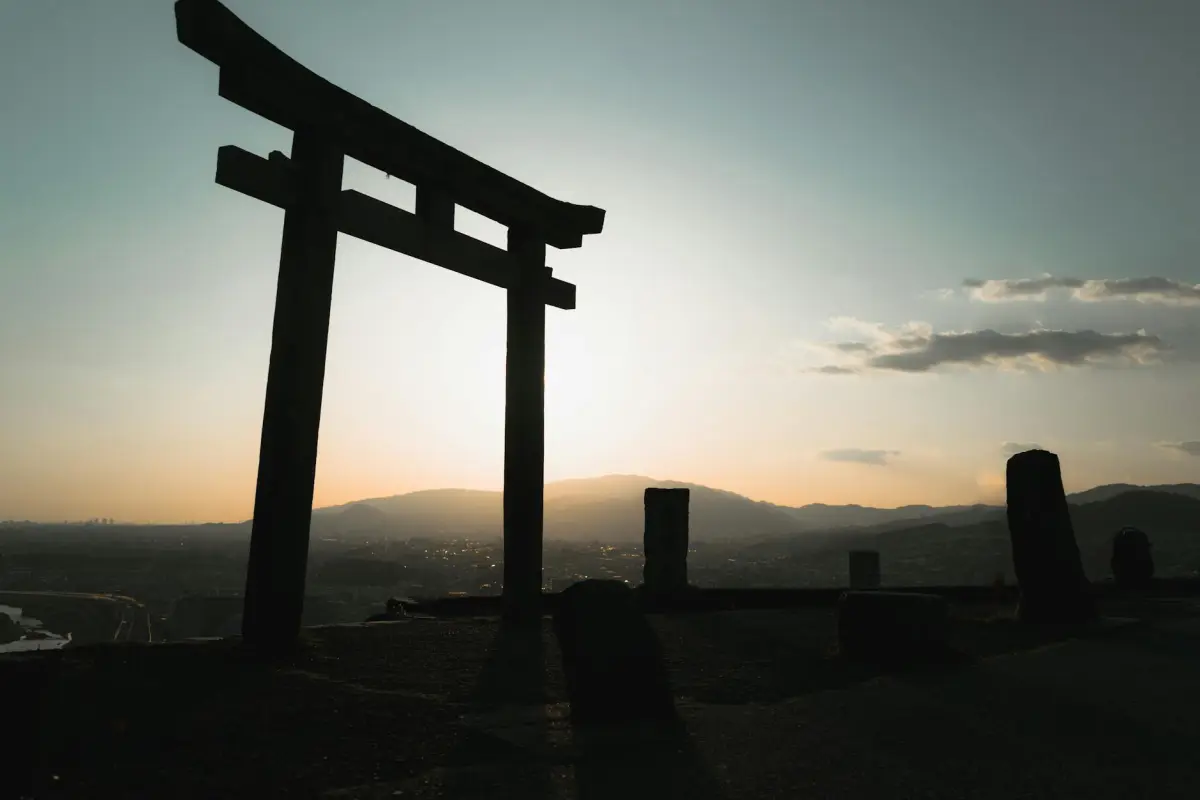
New Year & Hatsumode connectivity
Japan's New Year celebration is one of the most culturally distinctive in the world and one of the most logistically demanding periods to visit. Shops and restaurants close from December 31 through January 2 or 3. Trains run on reduced holiday schedules. And millions of people visit their local shrine for hatsumode, the first shrine visit of the year, with the most famous shrines drawing hundreds of thousands on New Year's Day alone. The network handles these crowds, but the transport and logistics demand the kind of pre-planning that makes an eSIM active before you land non-negotiable.
Japan's New Year is the single most culturally rewarding and logistically challenging week to visit. An eSIM active on landing at Narita or Haneda on December 31 means you navigate the entire sequence from airport to ryokan to shrine without depending on airport wifi or SIM counters that may be closed.
What changes during Japanese New Year
| Service | December 31 to January 3 | Impact for travelers |
|---|---|---|
| Shops and restaurants | Many closed, especially family-run. Convenience stores (konbini) stay open. | Plan meals around konbini and hotel restaurants. Large chain restaurants may be open but with limited menus. |
| Trains and Shinkansen | Reduced holiday schedule. Major routes extremely busy on December 31 and January 2 to 3 return. | Book all Shinkansen for this period months in advance. Arrive at stations early. |
| SIM counters | Some airport and city counters closed on January 1. | Install your eSIM before you arrive. Do not rely on buying a SIM on New Year's Day. |
| Mobile networks | Congested at hatsumode shrine sites on January 1 morning. | Predictable, local, and brief. Network recovers quickly as crowds spread. |
| ATMs | Most 7-Eleven and Japan Post ATMs remain open. | Withdraw cash before December 31 in case of access issues. |
Meiji Jingu in Tokyo receives around 3 million visitors in the first three days of the year, making it the most visited hatsumode site in Japan. Naritasan Shinshoji Temple in Chiba receives around 3 million. Fushimi Inari in Kyoto, famous for its thousands of torii gates, receives around 2.7 million. All have predictable network congestion on January 1 morning, all manageable with the same approach: agree meeting points in advance and step away from the densest crowds for clear signal.
Countdown on December 31
Japan's New Year countdown is quiet by international standards: no large public fireworks display in most cities. The tradition is joya no kane, the 108 bell tolls at Buddhist temples at midnight, heard in neighborhoods across the country. Temples are accessible to visitors and the atmosphere is serene rather than crowd-intensive. Network conditions are normal on December 31 night except near the largest temple sites.
The New Year connectivity plan
- Install your eSIM before you fly. SIM counters may be closed or have reduced hours on January 1.
- Download offline maps of your shrine visiting route and the ryokan or hotel address before December 31.
- Book your Shinkansen for any travel on December 31 or January 2 to 3 as early as possible. These are the busiest train days of the year in Japan.
- Withdraw cash before December 31. Most shops are closed; konbini and hotel facilities are the fallback.
- At the shrine on New Year's Day morning: agree a meeting point before entering the queue and share your location before it gets dense.
The temple bell at midnight. The serene atmosphere as millions of Japanese quietly make their first shrine visit of the year. The smell of incense and the sight of ema (wish plaques) hung in their thousands. Japan's New Year is one of the most authentic cultural experiences available to a foreign visitor. The logistics are manageable with preparation. The experience is irreplaceable.
Plans for Japan
Japan eSIM plans
Prices in USD. Instant QR activation. Pick your data, land connected.
FAQ
Is Japan open for tourists during New Year?
Yes, but with reduced services. Many family-run restaurants and shops close from December 31 to January 2 or 3. Convenience stores (7-Eleven, FamilyMart, Lawson) remain open. Major tourist sites and shrines are actively open and often at their most atmospheric. Trains run on holiday schedules. Plan meals around konbini and book restaurant dinners in advance.
Is there mobile signal at Meiji Jingu on New Year's Day?
Yes, but congested during the most intense crowd moments on the morning of January 1. Meiji Jingu receives around 3 million visitors in the first three days of the year. Network congestion is predictable and brief. Agree a meeting point before entering the shrine queue, send messages before the peak crowd, and step away from the densest area if you need a clear signal.
Should I buy a SIM card when arriving in Japan at New Year?
Do not rely on it. Some airport and city SIM counters have reduced hours or may be closed on January 1. An eSIM installed at home and activated on landing works regardless of counter hours. For any New Year arrival in Japan, pre-installing your eSIM is strongly recommended.
What is hatsumode?
Hatsumode is the Japanese tradition of visiting a Shinto shrine or Buddhist temple for the first time in the new year, typically on January 1, 2 or 3. It is one of the most widely observed traditions in Japan, with virtually all Japanese making at least one hatsumode visit. The most famous sites receive millions of visitors in the first few days of the year.