Kazakhstan Digital Nomad Esim
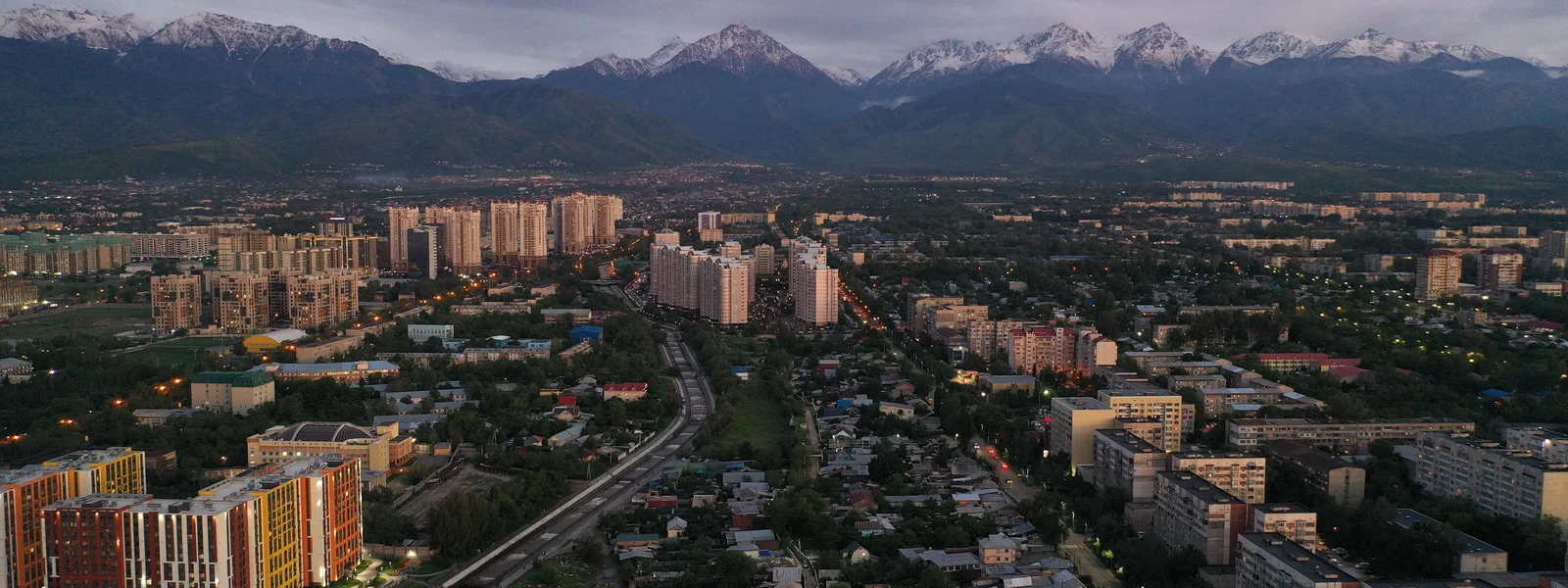
Kazakhstan is emerging as an unexpected digital nomad destination, driven by a combination of improving infrastructure, extraordinary affordability by international standards, visa-free access for citizens of 80-plus countries, and a policy environment that includes the Astana Hub's 0% corporate tax for technology companies, creating both a government-endorsed welcome for the technology sector and the professional ecosystem that remote workers benefit from engaging with. Almaty offers the most developed nomad infrastructure with coworking spaces, a growing restaurant scene, and immediate access to mountain recreation that no other Central Asian city can match. Astana provides the policy advantage and the technology hub environment for those engaging specifically with Kazakhstan's government and corporate sector.
Internet Infrastructure for Remote Work
Almaty's fixed internet infrastructure has improved significantly in recent years, with fibre from multiple providers including KazTransCom, Kazakhtelecom, and regional ISPs covering the commercial and residential districts used by international visitors and nomads. Hotel WiFi in Almaty's international hotel district runs on business-grade broadband providing 50 to 200 Mbps speeds adequate for video conferencing and cloud work. The Beeline and Kcell 4G that covers the city commercially provides 15 to 20 Mbps supplementary mobile connectivity for cafe work and in-transit use. Tele2 on a locally acquired SIM provides 35 to 40 Mbps urban mobile connectivity for the most demanding mobile work scenarios. The combination of hotel or apartment fibre WiFi for primary work and Beeline eSIM for supplementary mobile connectivity provides a functional remote work setup throughout Almaty's commercial districts.
Coworking in Almaty and Astana
Almaty has over ten coworking spaces, including established operators such as Ala-Too, Smart Point, and several ESENTAI Mall-adjacent spaces that serve the city's growing technology and startup community. Day pass rates range from KZT 2,000 to 5,000 (USD 4 to 10), with monthly memberships from KZT 20,000 to 60,000 (USD 40 to 120). Fibre WiFi in these spaces runs 50 to 100 Mbps, adequate for video conferencing at standard quality. Astana's coworking infrastructure is concentrated in the EXPO district through the Astana Hub programme, with spaces specifically serving the technology companies and international organisations that have established operations in the AIFC. The EXPO coworking options provide the most policy-forward environment in Kazakhstan, but the AIFC district's distance from Astana's tourism circuit means most nomads base in the Left Bank hotel and coworking areas for a more integrated urban experience.
| City | Mobile Data Quality | Coworking | Monthly Cost Est. (USD) |
|---|---|---|---|
| Almaty (upper commercial) | Beeline/Kcell 4G 15-35 Mbps | 10+ spaces, USD 40-120/mo | 500-900 all in |
| Astana (Left Bank) | All operators 4G/5G excellent | AIFC/EXPO hub, USD 50-150/mo | 600-1000 all in |
| Mountain cafes (Almaty) | Beeline 3G/4G variable | No dedicated coworking | N/A |
Living Costs in Kazakhstan for Nomads
Kazakhstan offers exceptional affordability for international nomads earning in USD or EUR. Furnished apartment accommodation in Almaty's Dostyk Avenue and ESENTAI district runs KZT 150,000 to 300,000 per month (USD 300 to 600) for a comfortable one-bedroom unit. Local restaurant meals range from KZT 2,000 to 8,000 (USD 4 to 16) with excellent traditional Kazakh dishes at the lower end and international cuisine at the upper. Coworking at KZT 30,000 to 60,000 per month (USD 60 to 120) and groceries at similarly accessible prices produce total monthly costs of USD 700 to 1,200 for a comfortable Almaty nomad lifestyle, placing Kazakhstan among the most affordable quality nomad bases in Asia outside Southeast Asia.
Visa Policy for Kazakhstan Nomads
Kazakhstan allows visa-free entry for citizens of approximately 80 countries including all EU and EEA members, UK, USA, Canada, Australia, Japan, South Korea, and UAE for stays of 30 days or 14 days depending on nationality. Extended stays require a visa, which can be obtained through the standard e-visa system (Kazakhstan eVisa) or through the Astana Hub programme for technology workers establishing a formal presence. Kazakhstan does not currently have a dedicated digital nomad visa; most nomads use consecutive visa-free entries with brief border crossings (Kyrgyzstan is the most convenient option from Almaty) or obtain longer-stay business visas through Kazakhstani business partners. The regulatory environment is evolving and current visa requirements should be verified on the Kazakhstan Ministry of Foreign Affairs website before planning an extended stay.
Platform Access and VPN in Kazakhstan
Kazakhstan's internet regulatory environment is generally permissive compared to some regional neighbours, with Google, YouTube, WhatsApp, Telegram, Instagram, and most international platforms accessible without restriction. Some politically sensitive content and specific opposition media outlets are blocked, but this has minimal practical impact on international visitors and nomads whose work and communication requirements are met by the unrestricted major platforms. VPN use is common among Kazakhstan's professional population and is not restricted. Major VPN providers function reliably in Kazakhstan. The absence of the platform access friction that characterises Pakistan, China, or some other regional neighbours makes Kazakhstan's digital environment notably comfortable for international remote workers accustomed to open internet access.
Banking and Financial Access for Kazakhstan Nomads
Kazakhstan's banking system is accessible to international visitors through Visa and Mastercard ATM withdrawals, with ATMs available throughout Almaty and Astana's commercial districts providing Kazakhstani Tenge (KZT) at current exchange rates. International debit and credit cards work at major hotels, restaurants, and shopping centres. Kaspi Bank, which dominates local digital payments, is not directly accessible to foreign nationals without a Kazakhstani residency document. Some international banks allow opening Kazakhstan accounts with a residency permit; nomads on extended stays can explore this option through AIFC-registered banks that specifically serve the international business community. The Beeline 4G that enables online banking notifications, currency conversion apps, and ATM location finding throughout Almaty and Astana provides the financial connectivity infrastructure for nomad financial management without requiring any specific Kazakhstan banking setup for standard visit durations.
Healthcare and Emergency Services
Almaty has Kazakhstan's best healthcare infrastructure, with international-standard private clinics including Interteach and Mediker operating in the upper commercial districts with English-speaking staff. Emergency services are reachable at 103 (ambulance) and 102 (police) from any Kazakhstani number, with Beeline 4G enabling translation apps and location sharing that supplement direct emergency calls. The connectivity infrastructure for healthcare navigation, finding the nearest clinic via Google Maps, translating medical information via Google Translate camera function, and communicating with international medical assistance services via WhatsApp or phone, all function on Beeline 4G throughout Almaty's commercial and residential districts. Travel insurance with international medical evacuation coverage is strongly recommended for all Kazakhstan visitors, particularly for mountain activities where the remote terrain creates scenarios where medical access requires coordination.
Social Life and Community for Kazakhstan Nomads
The international nomad and expat community in Almaty is smaller than in established Southeast Asian hubs but active and accessible through several channels. The Internations Almaty chapter organises regular social events for international residents and visitors. The Almaty coworking space communities maintain social calendars that include afterwork events, hiking club meetups for the Ile-Alatau trails, and skiing coordination for Shymbulak weekends. Telegram groups for the Almaty international community, findable through the Internations platform and the Kazakhstan expat Facebook groups, are the primary real-time communication channels for social and professional connection. The tech community centred on the AIFC Astana Hub organises regular startup and tech events in Astana that attract both local and international participants. These community infrastructure elements provide the social context that turns a Kazakhstan work stay from an isolated remote-work session into a genuine living experience in a fascinating and undervisited Central Asian city.
Kazakhstan's geographical position also provides weekend and short-break travel opportunities that no Southeast Asian nomad hub can replicate: the Kyrgyzstan border is a three-hour drive from Almaty, enabling weekend trips to Bishkek and the Kyrgyz highlands. The ski resort at Shymbulak is 25 kilometres from central Almaty. The steppe extends in every direction for extraordinary landscape photography within 100 to 200 kilometres. These adventure recreation options, all accessible on the Beeline eSIM for navigation and communication, make Kazakhstan's geographic position an asset for nomads seeking adventure alongside professional productivity.
Kazakhstan as the Next Central Asia Nomad Hub
The combination of improving infrastructure, extreme affordability by international standards, 80-country visa-free access, government-backed technology sector development through the Astana Hub, and the extraordinary natural recreation available from Almaty's mountain access makes Kazakhstan the most compelling emerging nomad destination in Central Asia. The Beeline 4G that covers Almaty's commercial districts at 15 to 20 Mbps, the fibre WiFi available from multiple providers in the residential and commercial zones, and the growing coworking ecosystem in both cities provide the connectivity foundation that professional remote work requires. The nomads who arrive in Kazakhstan in 2026 and 2027 are establishing the community and reputation that will make Kazakhstan a recognised destination in the global nomad geography within five years. The eSIM setup, the Astana Hub awareness, and the mountain weekend planning described throughout this guide provide the practical framework for a Kazakhstan nomad stay that is productive, affordable, and genuinely exceptional as a Central Asian living experience.
Kazakhstan Nomad Visa Reality and Practical Workarounds
Kazakhstan's current absence of a dedicated digital nomad visa means that most nomads operate on the standard tourist visa framework, using consecutive visa-free entries separated by brief border crossings. The Kyrgyzstan border at Korday is approximately 220 kilometres from Almaty, a three-hour drive that provides the border crossing reset for nationalities with 30-day visa-free Kazakhstan access. The drive to Korday, the border crossing formalities, and the return to Almaty takes a full day when including the crossing time. Some nationalities have 14-day rather than 30-day visa-free access, requiring more frequent border runs. Researching the specific visa-free duration for your nationality before planning an extended Kazakhstan nomad stay prevents the administrative surprise of needing a border run sooner than anticipated. The Kazakhstan e-visa system provides 30-day or longer single-entry visas for nationalities that apply for them, with processing times of 48 to 72 hours online, providing an alternative to the visa-free framework for longer planned stays. Beeline 4G enables all online visa application tracking, payment, and status monitoring throughout the Kazakhstan stay.
Kazakhstan nomads in 2026 are early adopters of a destination whose connectivity infrastructure, affordability, and extraordinary geographic position at the junction of the steppe, the Tian Shan, and the Silk Road cultural heritage are fully ready for professional remote work alongside the adventure recreation and cultural depth that make extended stays genuinely transformative rather than merely productive. The Beeline or Tele2 connectivity that enables productive coworking days in Almaty and Astana is the same infrastructure that enables the Yandex Taxi to Shymbulak on Friday afternoon and the offline hike above Big Almaty Lake on Saturday morning, connecting the professional and recreational dimensions of a Kazakhstan nomad stay in a single eSIM that serves both without compromise.Kazakhstan's connectivity infrastructure in 2026 provides the digital foundation for one of the most rewarding and undervisited travel destinations in the world, and visitors who arrive with a Beeline eSIM installed, offline maps downloaded, and Yandex Taxi registered will find that every aspect of the Kazakhstan circuit, from the Almaty mountain gondola to the Astana architectural boulevards to the red rock formations of Charyn Canyon, is practically supported by the connectivity tools that make self-directed travel in this extraordinary Central Asian country genuinely accessible to the growing international community that is discovering it. The Beeline network that underlies most Kazakhstan travel eSIMs, the offline map preparation from Almaty hotel WiFi, and the Yandex Taxi app that provides seamless city transport from airport arrival onward together form a connectivity toolkit that is complete, reliable, and proportionate to the remarkable travel experiences that Kazakhstan offers its visitors.. Kazakhstan nomads in 2026 find a country whose connectivity infrastructure, affordability, and geographic position at the steppe-mountain junction are fully ready for professional remote work alongside adventure recreation.Get Your Kazakhstan eSIM
Compare Beeline-based Kazakhstan plans for Almaty, Astana, and mountain travel.
FAQ
How much data and what kind of plan do travelers need in Kazakhstan?
Kazakhstan offers exceptional affordability for international nomads earning in USD or EUR. Furnished apartment accommodation in Almaty's Dostyk Avenue and ESENTAI district runs KZT 150,000 to 300,000 per month (USD 300 to 600) for a comfortable one-bedroom unit. Local restaurant meals range from KZT 2,000 to 8,000 (USD 4 to 16) with excellent traditional Kazakh dishes at the lower end and international cuisine at the upper. Coworking at KZT 30,000 to 60,000 per month (USD 60 to 120) and groceries at similarly accessible prices produce total monthly costs of USD 700 to 1,200 for a comfortable Almaty nomad lifestyle, placing Kazakhstan among the most affordable quality nomad bases in Asia outside Southeast Asia.
What should travelers know about internet infrastructure for remote work in Kazakhstan?
Almaty's fixed internet infrastructure has improved significantly in recent years, with fibre from multiple providers including KazTransCom, Kazakhtelecom, and regional ISPs covering the commercial and residential districts used by international visitors and nomads. Hotel WiFi in Almaty's international hotel district runs on business-grade broadband providing 50 to 200 Mbps speeds adequate for video conferencing and cloud work. The Beeline and Kcell 4G that covers the city commercially provides 15 to 20 Mbps supplementary mobile connectivity for cafe work and in-transit use. Tele2 on a locally acquired SIM provides 35 to 40 Mbps urban mobile connectivity for the most demanding mobile work scenarios.
What should travelers know about coworking in almaty and astana in Kazakhstan?
Almaty has over ten coworking spaces, including established operators such as Ala-Too, Smart Point, and several ESENTAI Mall-adjacent spaces that serve the city's growing technology and startup community. Day pass rates range from KZT 2,000 to 5,000 (USD 4 to 10), with monthly memberships from KZT 20,000 to 60,000 (USD 40 to 120). Fibre WiFi in these spaces runs 50 to 100 Mbps, adequate for video conferencing at standard quality. Astana's coworking infrastructure is concentrated in the EXPO district through the Astana Hub programme, with spaces specifically serving the technology companies and international organisations that have established operations in the AIFC.
What should travelers know about visa policy for kazakhstan nomads in Kazakhstan?
Kazakhstan allows visa-free entry for citizens of approximately 80 countries including all EU and EEA members, UK, USA, Canada, Australia, Japan, South Korea, and UAE for stays of 30 days or 14 days depending on nationality. Extended stays require a visa, which can be obtained through the standard e-visa system (Kazakhstan eVisa) or through the Astana Hub programme for technology workers establishing a formal presence. Kazakhstan does not currently have a dedicated digital nomad visa; most nomads use consecutive visa-free entries with brief border crossings (Kyrgyzstan is the most convenient option from Almaty) or obtain longer-stay business visas through Kazakhstani business partners.